
In the vast field of industrial production and logistics transportation, conveyors play a crucial role. Their diverse types and powerful functions make them indispensable key equipment in numerous industries. This article gives general conveyor-system context. Conveyor belting is one component of an installation; equipment scope and project performance require separate confirmation.
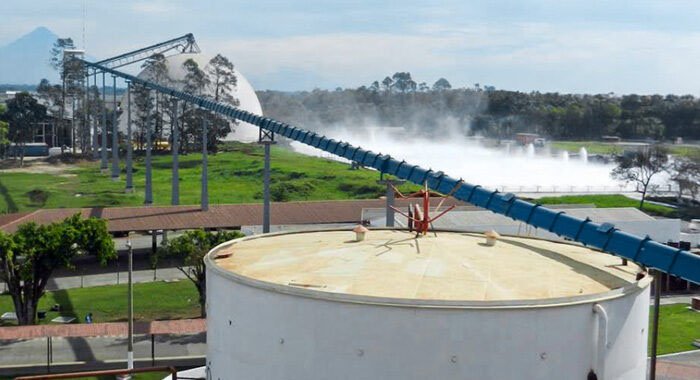
Flat, troughed and enclosed conveyor arrangements serve different material-handling duties. Selection should consider route length, lift, capacity, terrain, transfer points, access and operating hours. A comparison with road or rail transport requires a project-specific assessment of capital cost, maintenance, energy supply and operating conditions; no universal cost or energy advantage is assumed.
Power plants and chemical facilities may require conveyors designed for their particular fuels, materials and process conditions. Belt covers, reinforcement, drives, guarding and maintenance arrangements must match that duty. Hazardous or sensitive materials require an appropriate safety assessment; a general conveyor description is not evidence of safe operation, low maintenance or tested performance for a specific installation.
Some high-temperature processes use specialized metal-based conveying equipment. Such systems must not be confused with rubber conveyor belting, and their operating limits cannot be transferred to an EVER JOY product. For rubber belting, assess material and belt surface temperatures, exposure duration, loading and cooling together. Our heat-resistant belt selection page explains the information needed for a project review; laboratory ageing conditions are not a universal conveyed-material temperature guarantee.
Open troughed conveyors can be considered for suitable bulk-material routes, subject to engineering checks for tension, terrain, transfer points, weather and dust. Pipe conveyors may offer enclosure for appropriate materials, but material compatibility, belt construction and transition design still need review. For the belt component, compare EP/NN fabric reinforcement and steel cord construction against the actual conveyor design.
Alternative-fuel handling may involve storage, separation, weighing, sorting and transport, with each function requiring suitable equipment. Air-supported conveyors are another system arrangement to assess for the intended duty. Claims about energy use, carbon emissions, noise or operating cost need a defined comparison, operating data and assessment boundary; they are not guaranteed outcomes of choosing a conveyor or a rubber belt.
For a belt enquiry, provide the conveyed material, conveyor layout, working conditions, existing belt designation, dimensions, required quantity and destination. Send these details to EVER JOY for a belt specification review. Confirm separately which equipment, components, inspection documents and installation services are included in any proposal.
 English
 Spanish