
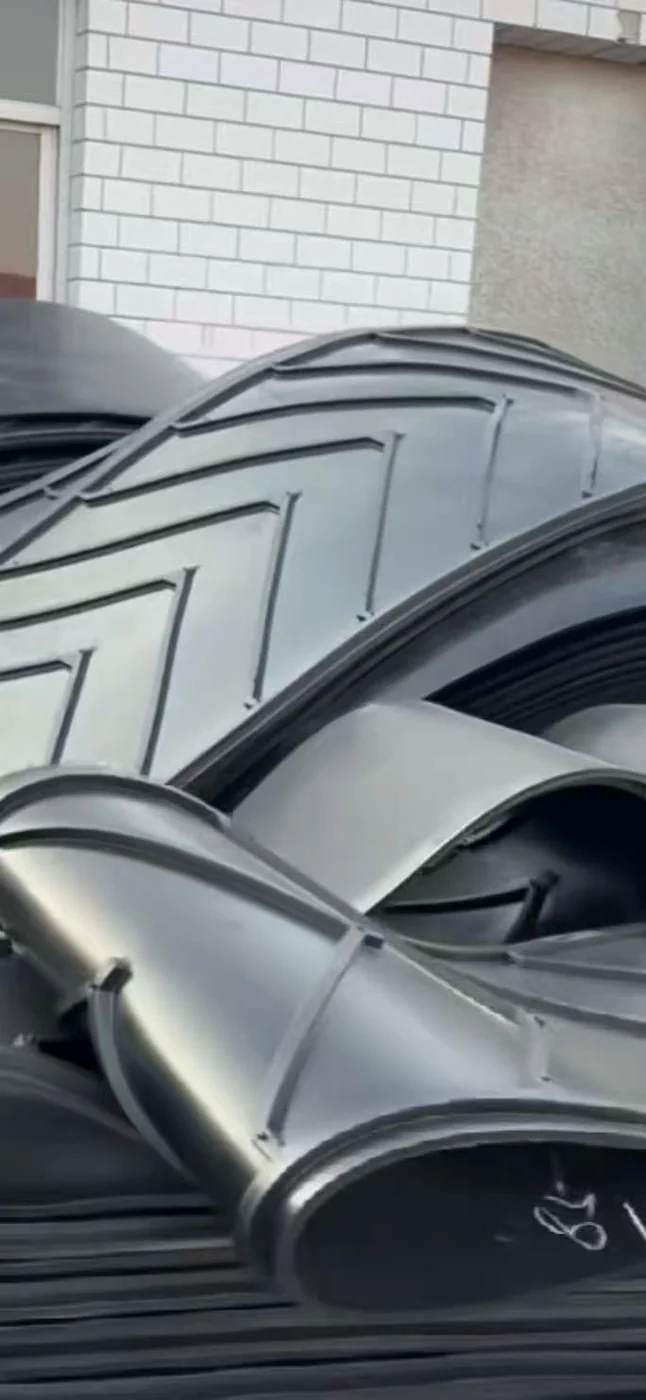
PROFILED RUBBER CONVEYOR BELTING
Chevron Conveyor Belts for Inclined Material Handling
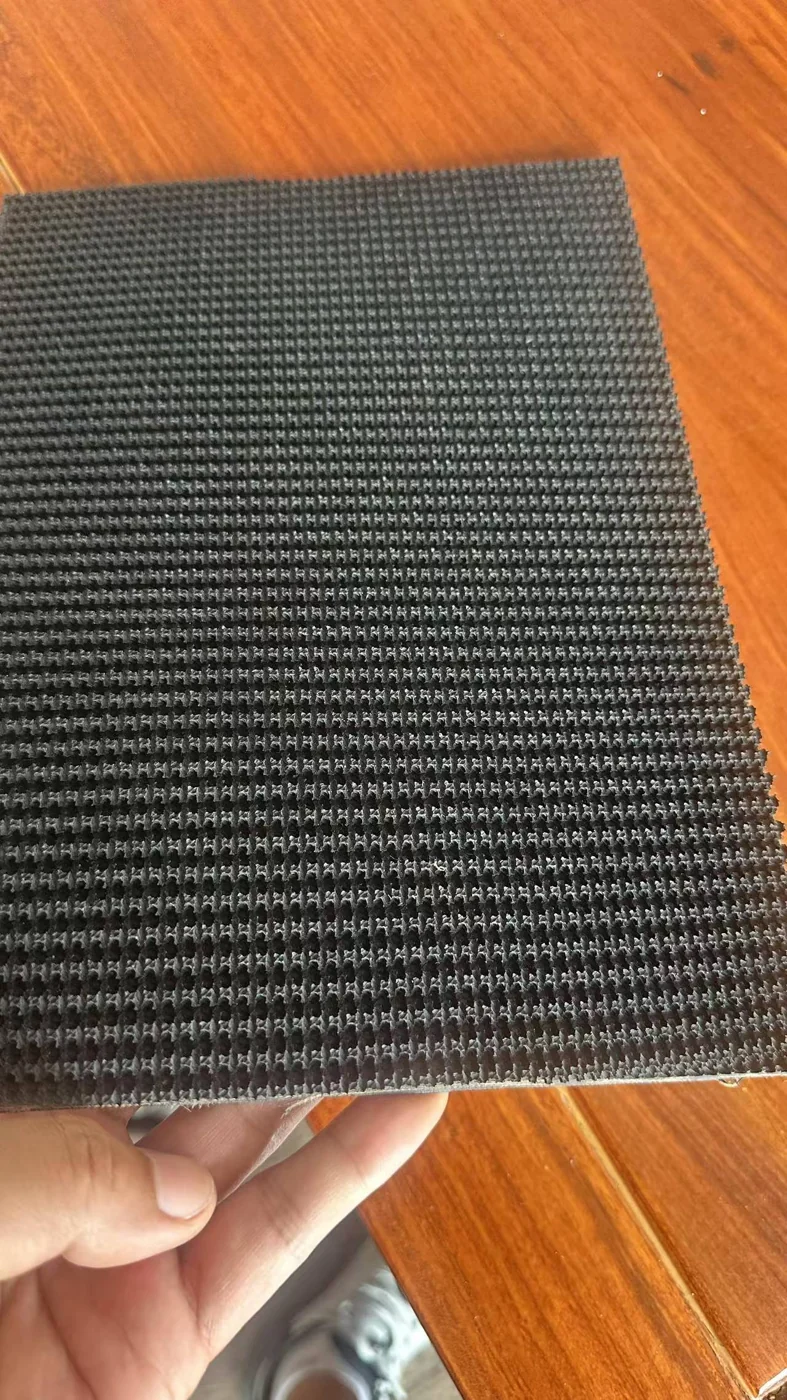
Raised profiles help retain material on an incline where a smooth belt offers insufficient grip. EVER JOY supplies patterned rubber belting selected around the conveyed material, loading conditions and conveyor layout.
Request a Chevron Belt QuoteApplications and profile selection
Chevron belts are used in quarrying, sand and gravel handling, mobile crushing and screening, recycling and suitable agricultural or packaged-material applications. The profile helps resist material rollback. Actual performance depends on particle shape, moisture, loading depth, belt speed and the conveyor inclination.
Choose the profile and base belt together. Open or closed V-shaped patterns, cleat spacing and edge clearances must match the application and available tooling. Send a clear photograph or profile drawing when replacing an existing belt.
Specification checklist
| Item | Information to specify |
|---|---|
| Belt dimensions | Width, open-ended length or endless circumference, and quantity |
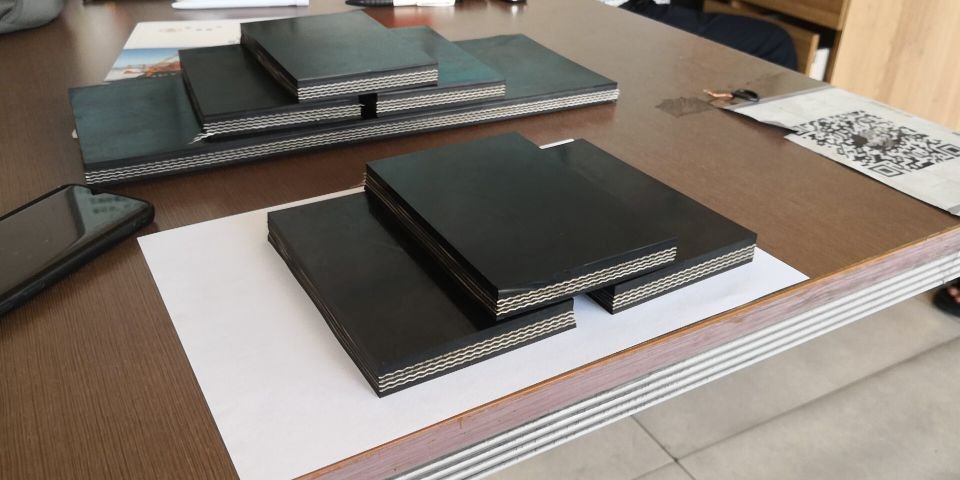
| Base belt | EP or NN carcass, finished belt tensile strength, ply count and top/bottom cover thicknesses |
| Profile | Pattern shape, profile height, pitch, pattern width and smooth edge margins |
| Rubber cover | Abrasion grade and any oil, heat or flame-resistance requirements |
| Conveyor arrangement | Inclination, belt speed, pulley diameters, return supports and cleaning system |
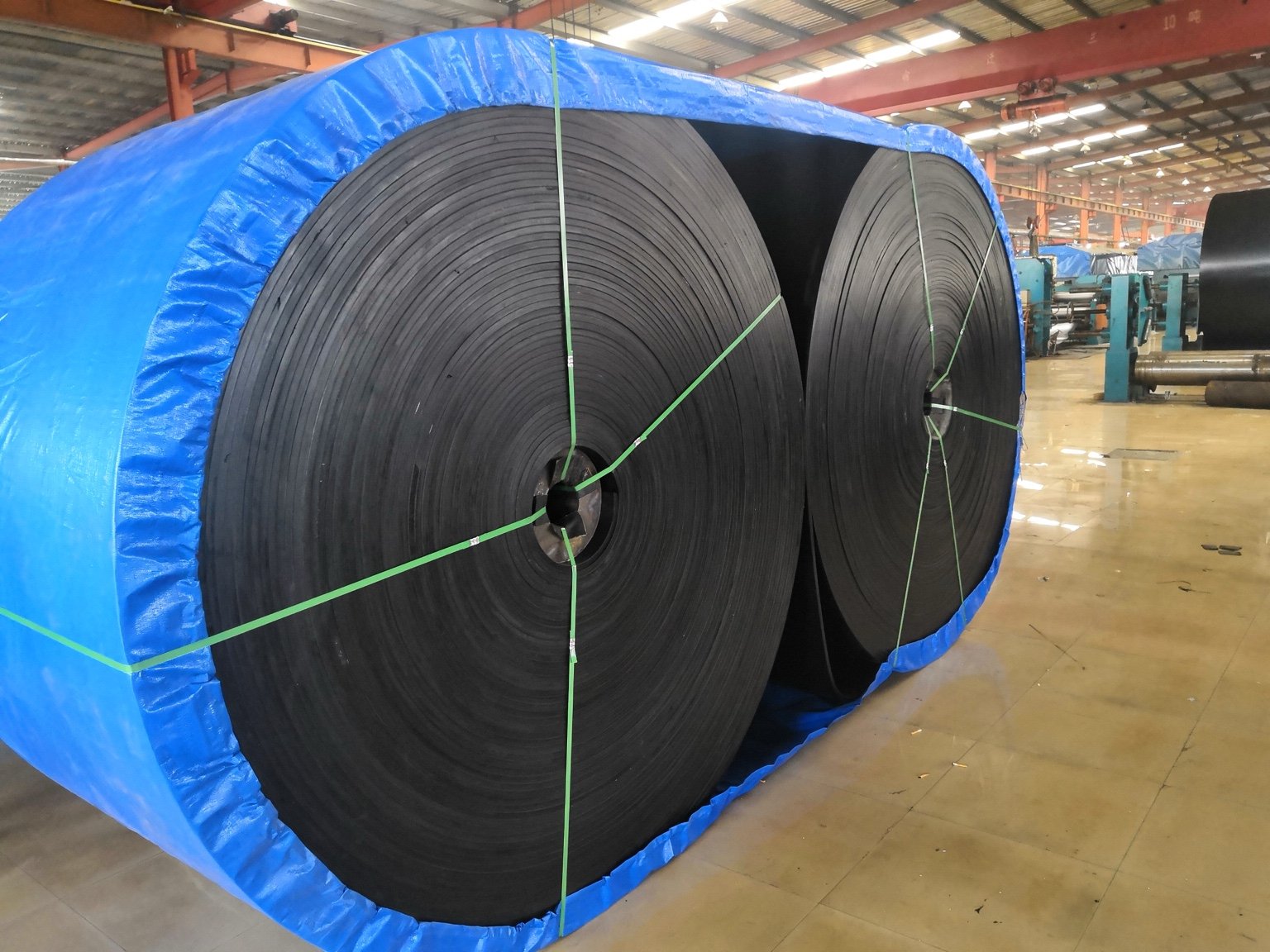
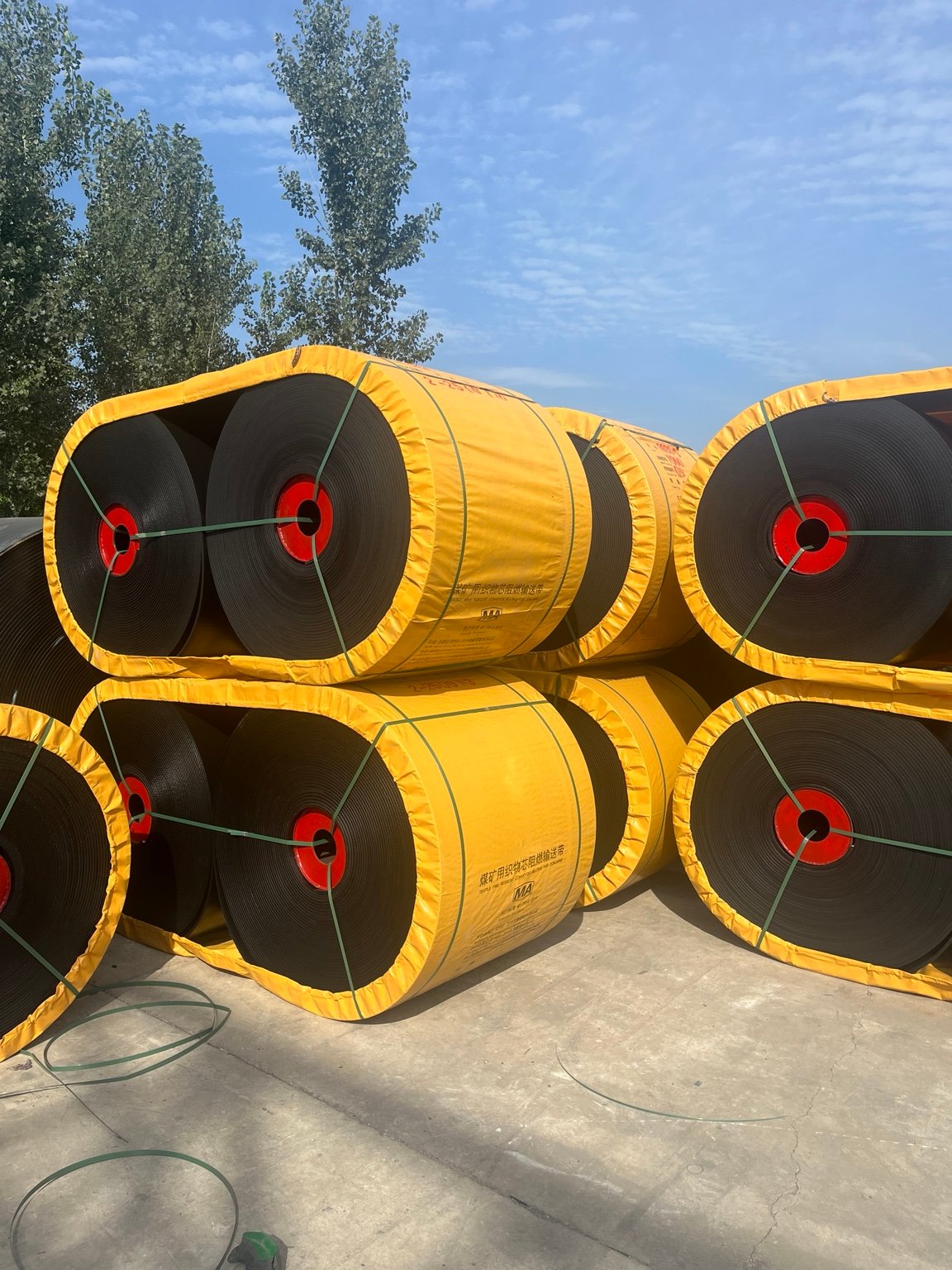
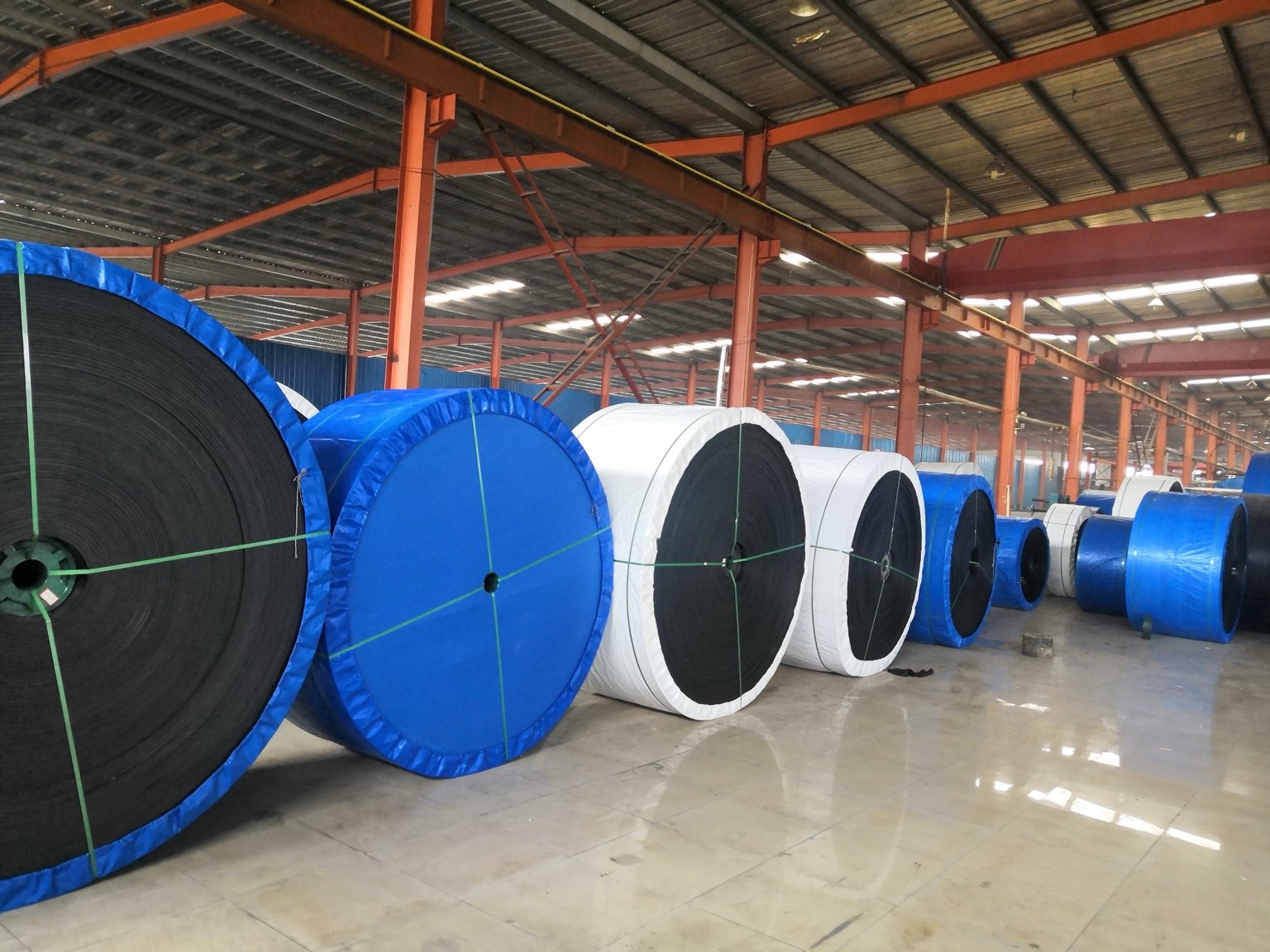
| Packing and delivery | Roll lengths, maximum roll dimensions or weight, quantity and destination port |
State base belt thickness and profile height separately. The overall thickness through a raised profile is different from the thickness between profiles. An existing pattern is best identified by a dimensioned drawing rather than its name alone.
Conveyor compatibility and splicing
Check that the raised profile clears the return idlers, belt cleaners, transfer points and loading skirts. Confirm the minimum pulley diameter for the chosen carcass, cover and profile construction. Splice design should suit the belt construction and preserve a practical transition through the profile pattern.
For textile-reinforced belting, specify the required base-belt standard, such as DIN 22102-1:2020-12 or ISO 14890:2026, together with the cover grade, profile drawing and acceptance requirements. These references do not define a universal conveying angle.
Frequently asked questions
What incline can a chevron belt handle?
There is no single angle suitable for every material or profile. Share particle size and shape, moisture, loading depth, belt speed and the actual inclination. Profile height alone cannot establish a safe operating angle; assess the material and conveyor together.
Can I replace a smooth belt with a patterned belt?
Check the conveyor before choosing a replacement. Pulley diameters, return supports, cleaners, transfer clearances and the loading area must accommodate the profile and base-belt construction. A matching width alone does not establish compatibility.
What do you need to quote a replacement?
Send width and length, the finished-belt strength and carcass marking, ply count, base-belt cover thicknesses, profile height, pitch and smooth edge margins. Include a dimensioned profile drawing or clear photograph, material, conveyor angle, quantity and destination. State base-belt thickness and raised profile height separately.
Manufacturing and export support
EVER JOY integrates conveyor belt manufacturing and international trade. Our factory in Guzhen County, Bengbu, Anhui, China covers approximately 93,333 m² (140 mu), with a daily conveyor belt production capacity of 20,000 metres. We support specification review, packing and export arrangements.
Send Your Belt SpecificationEmail: info@everjoyconveyor.com · WhatsApp: +86 15175229655

 English
 French