
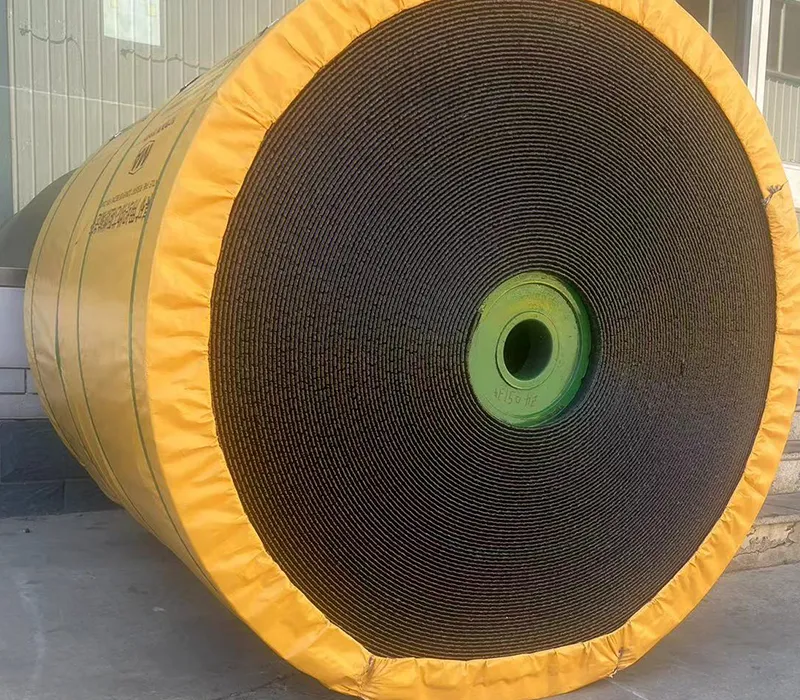
Heavy-Duty Steel Cord Conveyor Belts
EVER JOY manufactures steel cord conveyor belts for mining, long-distance conveying, cement plants and bulk material handling. Our technical reference series covers ST630–ST7500. Belt strength, steel cord arrangement, rubber cover specifications and production feasibility are confirmed according to each project’s technical requirements.
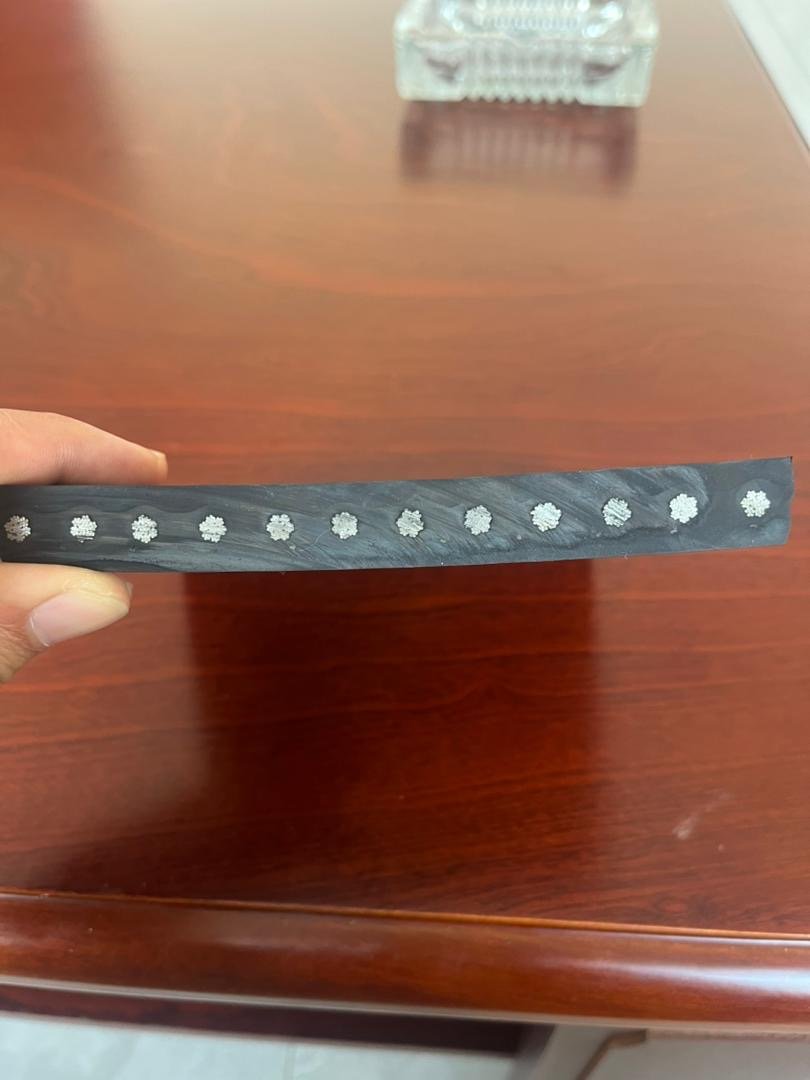
1. What Is a Steel Cord Conveyor Belt?
A steel cord conveyor belt uses longitudinal steel cords as the principal tensile reinforcement. The cords are embedded in bonding rubber and protected by upper and lower rubber covers. Compared with certain fabric carcass constructions, steel cord belting is considered for high nominal tensile strength, relatively low working elongation and long-distance continuous conveying.
| Component | Function and purchasing consideration |
|---|---|
| Top (carrying-side) cover | Protects against material wear, impact and the operating environment; specify thickness and compound grade |
| Steel cords and core rubber | Carry longitudinal tensile loads; verify cord diameter, pitch, count, layout and cord-to-rubber bonding |
| Bottom (pulley-side) cover | Protects the carcass and contacts idlers and pulleys; thickness is selected for the application |
| Optional transverse reinforcement (breaker/weft) | May be evaluated for additional impact or rip protection where permitted by the design; not standard on every ST belt |
| Vulcanized splice | Joins delivery lengths; must match the specified steel cord layout, strength and installation procedure |
Important: the “1600” in ST1600 describes a nominal belt strength grade in N/mm of belt width. It is not the conveyor’s permissible working tension. Working tension, dynamic loads and the required splice safety margin must be established by the conveyor design.
2. ST Strength Grades, Cord Layout and Technical Specifications
2.1 ST Strength Grades and Cord Parameters
The following are illustrative engineering parameters for commonly specified ST belt grades. An ST rating denotes nominal belt strength per millimetre of width; the minimum breaking load of one individual cord is a separate quantity. Diameter, pitch, covers and cord counts must be defined in the approved production drawing, not inferred solely from the ST rating.
Swipe to view all columns →
| ST grade | Nominal belt rating N/mm | Reference max. cord diameter mm | Min. single-cord breaking load kN | Cord pitch mm |
|---|---|---|---|---|
| ST630 | 630 | 3 | 7 | 10 |
| ST800 | 800 | 3.5 | 8.9 | 10 |
| ST1000 | 1000 | 4 | 12.9 | 12 |
| ST1250 | 1250 | 4.5 | 16.1 | 12 |
| ST1600 | 1600 | 5 | 20.6 | 12 |
| ST2000 | 2000 | 6 | 25.6 | 12 |
| ST2500 | 2500 | 7.2 | 40 | 15 |
| ST2800 | 2800 | Confirm per project | 39.6 | 13.5 |
| ST3150 | 3150 | 8.1 | 50.5 | 15 |
| ST3500 | 3500 | 8.6 | 56 | 15 |
| ST4000 | 4000 | 8.9 | 63.5 | 15 |
| ST4500 | 4500 | 9.7 | 76.3 | 16 |
| ST5000 | 5000 | 10.9 | 91 | 17 |
| ST5400 | 5400 | 11.3 | 98.2 | 17 |
| ST6300 | 6300 | 12.8 | 130.4 | 19.5 |
| ST7000 | 7000 | 13.5 | 142.4 | 19.5 |
| ST7500 | 7500 | 15 | 166.7 | 21 |
2.2 Reference Cover Thickness, Belt Gauge and Mass per Area
These gauges and masses are reference designs, not a fixed construction for every order. Mass in kg/m² is based on the actual belt surface area. Calculate shipping roll mass from the final manufactured construction.
Swipe to view all columns →
| ST grade | Recommended top cover mm | Recommended bottom cover mm | Ref. total gauge mm | Ref. mass kg/m² |
|---|---|---|---|---|
| ST630 | 5 | 5 | 13 | 17.7 |
| ST800 | 5 | 5 | 13.5 | 18.4 |
| ST1000 | 6 | 6 | 16 | 21.6 |
| ST1250 | 6 | 6 | 16.5 | 23.3 |
| ST1600 | 6 | 6 | 17 | 25.1 |
| ST2000 | 8 | 8 | 22 | 32.2 |
| ST2500 | 8 | 8 | 23.2 | 35.5 |
| ST2800 | 8 | 8 | 23.2 | 36.5 |
| ST3150 | 8 | 8 | 24.1 | Confirm per project |
| ST3500 | 8 | 8 | 24.6 | 40.4 |
| ST4000 | 8 | 8 | 24.9 | 43.1 |
| ST4500 | 8 | 8 | 25.7 | 45.4 |
| ST5000 | 8.5 | 8.5 | 27.9 | 50.3 |
| ST5400 | 9 | 9 | 29.3 | 53.3 |
| ST6300 | 10 | 10 | 32.8 | 65.1 |
| ST7000 | 10 | 10 | 33.5 | 68.9 |
| ST7500 | 10 | 10 | 35.0 | Confirm per project |
2.3 Illustrative Steel Cord Counts by Belt Width
Illustrative steel cord counts (number of cords, not strength or cord diameter). The count depends on pitch, edge dimensions, troughability and the approved layout. EVER JOY’s overall factory maximum width is 2,200 mm; specific ST grade/width combinations require confirmation.
Swipe to view all columns →
| ST grade | 1000 mm width | 1200 mm width | 1600 mm width | 2000 mm width | 2200 mm width |
|---|---|---|---|---|---|
| ST630 | 95 | 113 | 151 | 191 | 211 |
| ST800 | 95 | 113 | 151 | 191 | 211 |
| ST1000 | 79 | 94 | 126 | 159 | 176 |
| ST1250 | 79 | 94 | 126 | 159 | 176 |
| ST1600 | 79 | 94 | 126 | 159 | 176 |
| ST2000 | 79 | 94 | 126 | 159 | 176 |
| ST2500 | 64 | 76 | 101 | 128 | 141 |
| ST2800 | 71 | 85 | 114 | 143 | 158 |
| ST3150 | 64 | 76 | 101 | 128 | 141 |
| ST3500 | 64 | 77 | 104 | 130 | 144 |
| ST4000 | 64 | 77 | 104 | 130 | 144 |
| ST4500 | 59 | 71 | 96 | 121 | 134 |
| ST5000 | 55 | 66 | 90 | 113 | 125 |
| ST5400 | 55 | 66 | 90 | 113 | 125 |
| ST6300 | N/A | 58 | 78 | 99 | 109 |
| ST7000 | N/A | 59 | 80 | 100 | 110 |
| ST7500 | N/A | 54 | 73 | 92 | 102 |
2.4 Belt Width Tolerances
Belt width tolerances are determined according to the applicable standard and the agreed technical specification.
Specifications for ST6300–ST7500, including production feasibility and testing, are confirmed for each project. Final cord diameter and belt mass are confirmed in the agreed technical specification.
2.5 Custom Specification Options
| Parameter | EVER JOY supply and engineering approach |
|---|---|
| Nominal ST grade | Selected from calculated conveyor requirements; the ST630–ST7500 reference grade series is available for technical discussion |
| Belt width | Factory-wide maximum 2,200 mm; specific ST grade/width combinations require verification |
| Cord diameter, pitch and count | Confirmed from the ST grade, applicable standard, splice concept and approved drawing |
| Steel cord construction | Agreed in the project technical specification; no one catalogue layout is applied to all belts |
| Top and bottom covers | Specified individually based on abrasion, impact, pulley contact and the contract; EP fabric belt thickness ranges are not assumed to apply |
| Overall thickness, edges and tolerances | Defined by the selected cords, core rubber and both covers |
| Transverse reinforcement and rip monitoring | Breakers, weft reinforcement or compatible detection options can be evaluated if specified |
| Roll lengths, diameter and weight | Planned around handling equipment, loading method, shipping route and roll weight/size restrictions |
2.6 How to Read a Complete ST Belt Designation
Illustrative purchasing designation (not a stock item or standard production promise):
ST1600 / 1200 mm / Ø5.0 mm / 12 mm pitch / 8+6 mm / DIN-Y required / 300 m
ST1600 identifies a nominal strength grade of 1600 N/mm; 1200 mm is belt width; Ø5.0 mm and 12 mm specify the requested cord diameter and pitch; 8+6 mm is the top/bottom cover arrangement; DIN-Y is a buyer-requested rubber cover grade subject to agreed verification; and 300 m is the required length. State separately whether 300 m means total length or a single roll.
Do not derive the cord count, cord diameter or minimum pulley diameter from the ST label alone. For replacements, supply the original belt marking, a cord cross-section photo, cord layout and splice drawing.
For project review, buyers may also provide the steel cord count, minimum individual-cord breaking load, cord pitch, reference total gauge and maximum permitted roll mass, if the existing conveyor drawings supply them. A first inquiry can start with ST rating, width, covers, quantity and destination; detailed construction is confirmed later.
Send Your Specification for a QuotationWhatsApp +86 15175229655info@everjoyconveyor.com
3. Rubber Covers and Applicable Standards
Steel cords carry longitudinal loads; the rubber covers are selected for the material and environment. Laboratory abrasion loss alone does not predict service life, and sharp-object cuts cannot be prevented simply by choosing a higher rubber tensile strength.
3.1 Common DIN Cover Rubber Reference Grades
Swipe to view all columns →
| Cover grade | Minimum tensile strength | Minimum elongation at break | Maximum abrasion volume loss |
|---|---|---|---|
| W | 18 MPa | 400% | 90 mm³ |
| X | 25 MPa | 450% | 120 mm³ |
| Y | 20 MPa | 400% | 150 mm³ |
| Z | 15 MPa | 350% | 250 mm³ |
These figures are reference requirements commonly used to describe DIN cover rubber grades; they are not EVER JOY batch test results. Grades from different national standards are not automatically equivalent. The order specification must identify the actual cover grade, applicable edition, test methods and acceptance documentation.
3.2 Steel Cord Belt Product Standards
| Standard / market | Role in a purchasing specification |
|---|---|
| ISO 15236-1:2016 | General-use steel cord belting: design, dimensions and mechanical requirements |
| ISO 15236-2:2017 | Preferred steel cord belt type series |
| GB/T 9770-2013 | Chinese product standard for general-use steel cord conveyor belts |
| GB/T 28267.1-2021 | Design, dimensional and mechanical requirements for general-use steel cord conveyor belts |
| GOST ISO 15236-1-2017 | A standard relevant to Russian projects specifying general-use steel cord belting |
| DIN 22131 | A legacy steel cord standard still cited in some older drawings; identify the exact part and edition rather than treating it as the latest German standard |
Safety distinction: a general-purpose ST belt is not automatically approved for underground coal mining or certified as flame-resistant and anti-static. Underground installations, high-temperature service, oil exposure and other special duties require separate standards, compounds, testing and documentation.
4. Splice Engineering, Rip Resistance and Conveyor Compatibility
Long steel cord conveyors often connect several delivered rolls through vulcanized splices. The splice design and site acceptance are critical parts of the project.
- Splices: specify the splice type, step count and length, cord arrangement, splice materials and vulcanization procedure. Do not reuse an old splice drawing without verifying compatibility.
- Pulleys: assess minimum diameters separately for drive, bend, tail and take-up pulleys according to the selected cord construction and splice; one universal value cannot be inferred from ST strength alone.
- Longitudinal rip risk: high cord tensile strength does not make the belt tear-proof. Trapped rebar, sharp rocks or material jams can cause longitudinal tears. Consider transverse reinforcement, loading-point protection or rip detection where the design requires it.
- Replacement belts: cord diameter, pitch, carcass thickness, edge layout and splice procedure must be compatible, particularly when replacing only part of an existing conveyor belt.
5. Quality Inspection and Acceptance
The inspection plan should be agreed before production, with the applicable limits, methods and documentation defined for the particular project.
| Item to verify | Why it matters |
|---|---|
| Finished belt strength and relevant tensile testing | Checks the carcass against the specified strength requirement |
| Cord diameter, pitch, count and layout | Confirms compatibility with drawings and splice design |
| Cord-to-core rubber adhesion / pull-out | Evaluates rubber-to-steel bonding, where required before and after ageing |
| Cover tensile, elongation and abrasion | Checks the requested rubber grade |
| Top/bottom cover thickness, overall thickness, width and appearance | Checks dimensions and construction consistency |
| Splice drawings and applicable verification | Helps confirm compatibility of the planned field splice |
| Packing, roll diameter, mass and handling marks | Reduces damage and handling risk in transit and installation |
This table lists possible inspection items, not a claim that all tests are performed on every shipment. The agreed test scope and actual documentation depend on the order and verified test capability.
6. Typical Applications and Selection Factors
| Application | Issues to consider |
|---|---|
| Mine trunk lines and long overland conveyors | Calculated tension, length, lift, transient starting loads and splice efficiency |
| Large quarry crushers and transfer points | Sharp material, drop height, impact protection and cover wear |
| Ports, ship loaders and stockyard systems | Continuous duty, humidity, material transfer and roll handling limits |
| Cement and metallurgical raw material handling | Dust, abrasion, actual material temperature and impact at loading points |
| Power and coal handling systems | Belt tension, material properties, applicable safety rules and environment |
A higher ST strength rating does not automatically make steel cord better than fabric belting for every conveyor. For alternative carcass design, see our EP/NN Fabric Conveyor Belts and compare tension, elongation, pulley size and splice maintenance requirements.
7. EVER JOY Manufacturing and Export Support
EVER JOY’s conveyor belt production base is located in Guzhen County, Bengbu, Anhui Province, China. The factory site is approximately 140 mu (9.33 hectares), with an overall factory daily capacity of approximately 20,000 linear metres and a factory-wide maximum manufacturing width of 2,200 mm. These are overall site figures, not a claim of ST-specific daily output or unrestricted production of every ST grade at 2,200 mm.
Depending on the order, delivery terms may include EXW factory, FOB an agreed Chinese loading port and FCA Horgos. For large ST rolls, confirm roll length, diameter, net/gross weight, lifting equipment, container or vehicle constraints and the transport route before finalizing the shipment plan.
8. Send an ST Belt Specification for a Quotation
| Information needed | Example or guidance |
|---|---|
| Nominal ST grade and standard | ST1600; ISO 15236-1:2016 (example) |
| Belt width | 1,200 mm |
| Top/bottom covers and overall thickness | 8+6 mm; state overall thickness separately |
| Steel cord layout | Cord diameter, pitch, count or an existing drawing |
| Cover grade | DIN-Y as a buyer requirement, subject to verification |
| Conveyor data | Centre distance, lift, speed, working tension, pulleys and take-up |
| Material and operating conditions | Material, lump size, drop height, temperature and wear concerns |
| Splicing and protection | Splice drawing, breaker requirement or rip monitoring |
| Quantity and packing | Total metres, roll length and maximum roll size/weight |
| Delivery information | Destination country, port/city and requested trade terms |
If details are missing, send existing belt markings, steel cord cross-section photographs and conveyor drawings so the specification can be reviewed together.
Request a Steel Cord Conveyor Belt QuotationWhatsAppinfo@everjoyconveyor.com
9. Frequently Asked Questions
What does ST1600 mean?
It generally denotes a nominal tensile strength grade of 1,600 N/mm of belt width—not the cord diameter and not the conveyor’s allowable operating tension.
Can I get an accurate quotation with only ST grade and width?
These details are enough to start a discussion, but the final specification also needs covers, cord arrangement, operating conditions, splice design, quantity and destination.
Are cord diameter and pitch fixed by the ST number?
No. They may differ by standard type series, design and splice requirements. Use an approved technical drawing.
Are steel cord belts immune to longitudinal tearing?
No. Rip resistance is a separate design question. Reinforcement, protection at loading points and monitoring systems may be considered where needed.
Can an existing hot splice drawing be used for a replacement belt?
Only after compatibility has been established for the replacement cord design, rubber and joining materials. Equal belt width alone is insufficient.
Does listing ST7500 mean that it is in stock or certified?
No. Availability, production feasibility, testing, lead time and supporting documents for ST7500 are confirmed for each project.
How do you plan heavy-roll shipping?
Define roll diameter, weight, core, lifting capacity, container/vehicle restrictions and the route before approving the roll split. Total belt length alone is not sufficient.
EVER JOY | Steel Cord Conveyor Belt Manufacturing and Export Support in China
Related Products
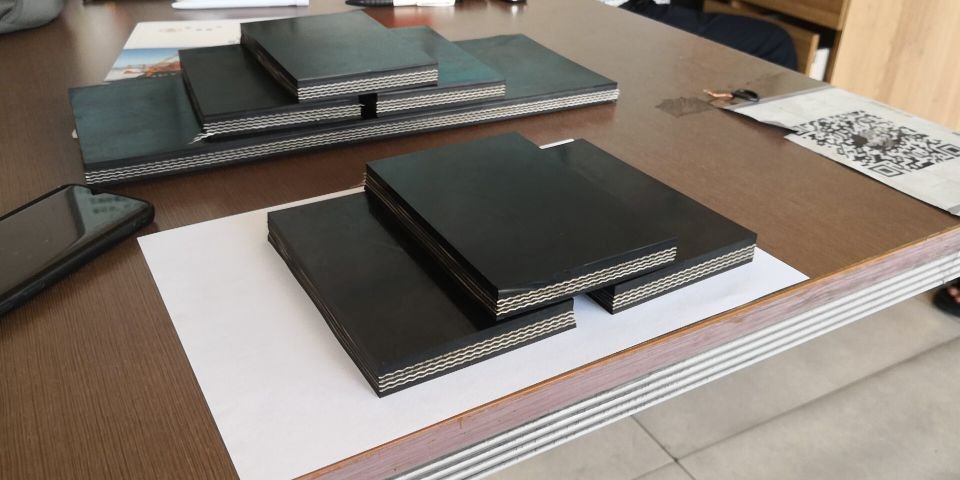 EP & NN Fabric Conveyor Belts
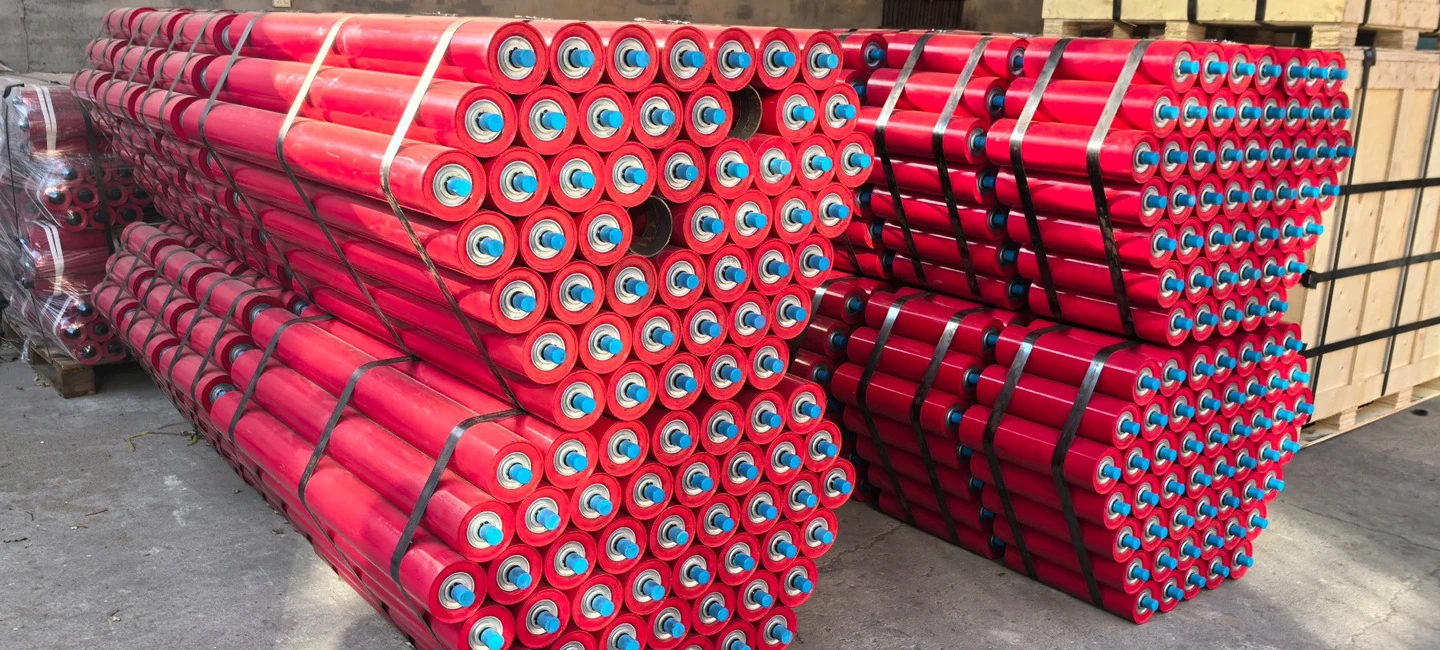 Conveyor Idlers & Idler Sets
 Conveyor Drum Pulleys

Acid and Alkali Resistant Conveyor Belt

General Flame Retardant Conveyor Belt

Solid Core Flame Retardant Conveyor Belt for Coal Mine

Nylon Conveyor Belt

Heat Resistant Conveyor Belt

Wire Rope Conveyor Belt


 English
 Spanish