
EVER JOY / INDUSTRIAL CONVEYOR BELTING
PVC / PVG Solid Woven Flame-Retardant Conveyor Belts
Solid-woven textile carcass | PVC-impregnated construction | Flame and antistatic requirements
PVG solid woven — PVC-impregnated solid-woven textile carcass with rubber-based or rubber/PVC composite covers
1. Product overview and key features
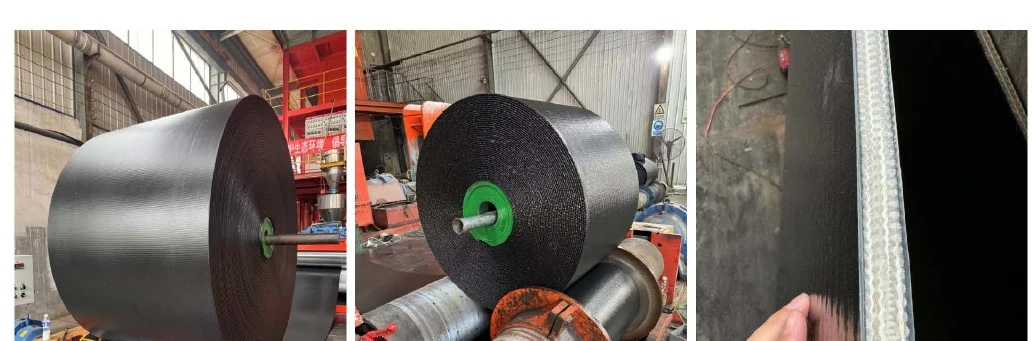
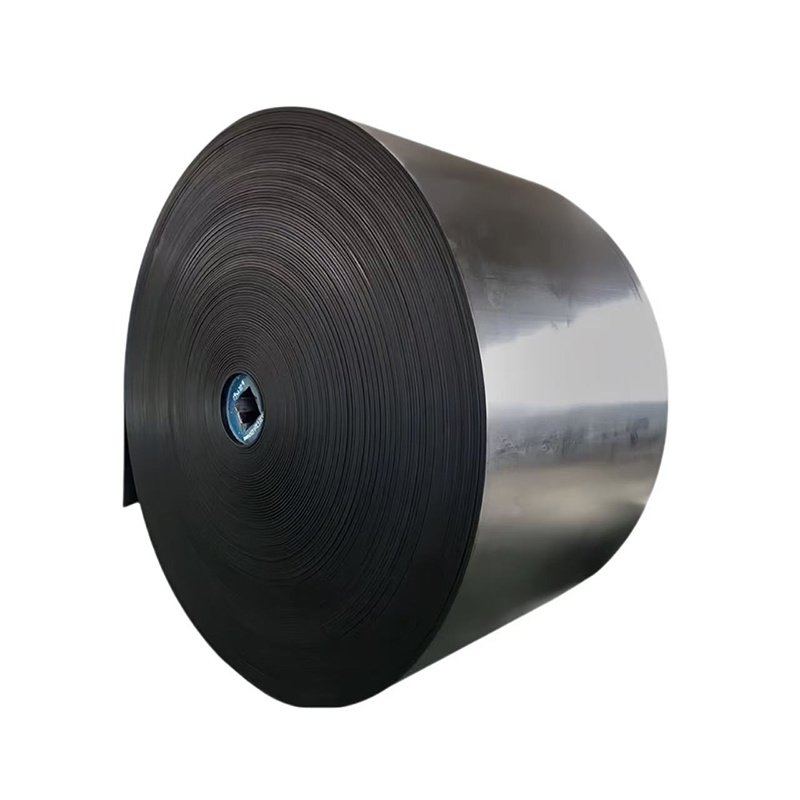
PVC/PVG solid woven conveyor belts feature a continuously interwoven textile carcass impregnated with PVC, combined with either a PVC plastics cover or a PVG rubber-based composite cover. They are specified for industrial bulk handling where belt strength, flame behaviour and electrical resistance must be defined. Underground mining applications require the applicable local safety tests and valid approvals for the exact belt model.
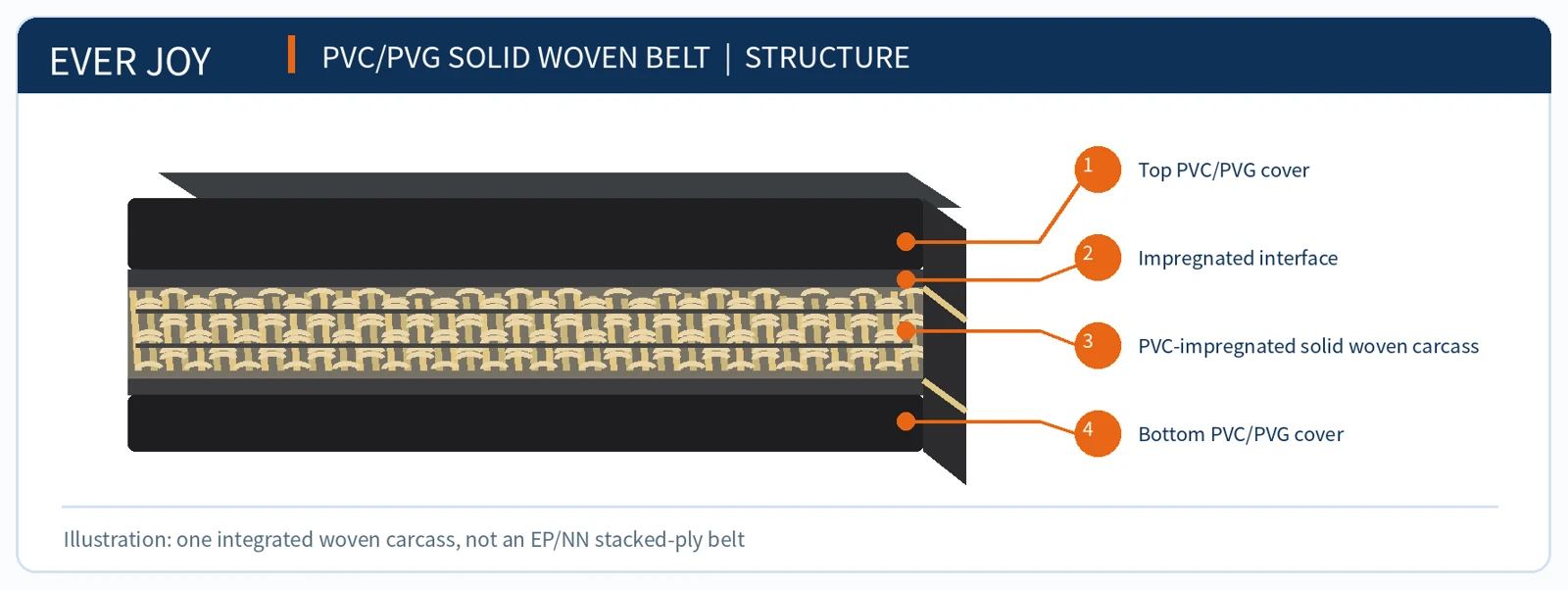
Unlike multi-ply EP/NN rubber belts, a solid woven belt has one integrated warp-and-weft carcass. The fabric is impregnated and covered to form the complete belt. Key selection parameters are rated full-thickness strength, covering material and thickness, tear resistance, troughability, splice method, flame behaviour and static electrical properties.
- Integrated solid-woven textile carcass with defined full-thickness strength
- PVC or PVG covering selected for moisture, wear and traction conditions
- Flame, electrical resistance and drum-friction requirements assessed separately
- Belt width, length, covering and splice selected for the conveyor design
- Project documentation agreed for the destination country and safety class
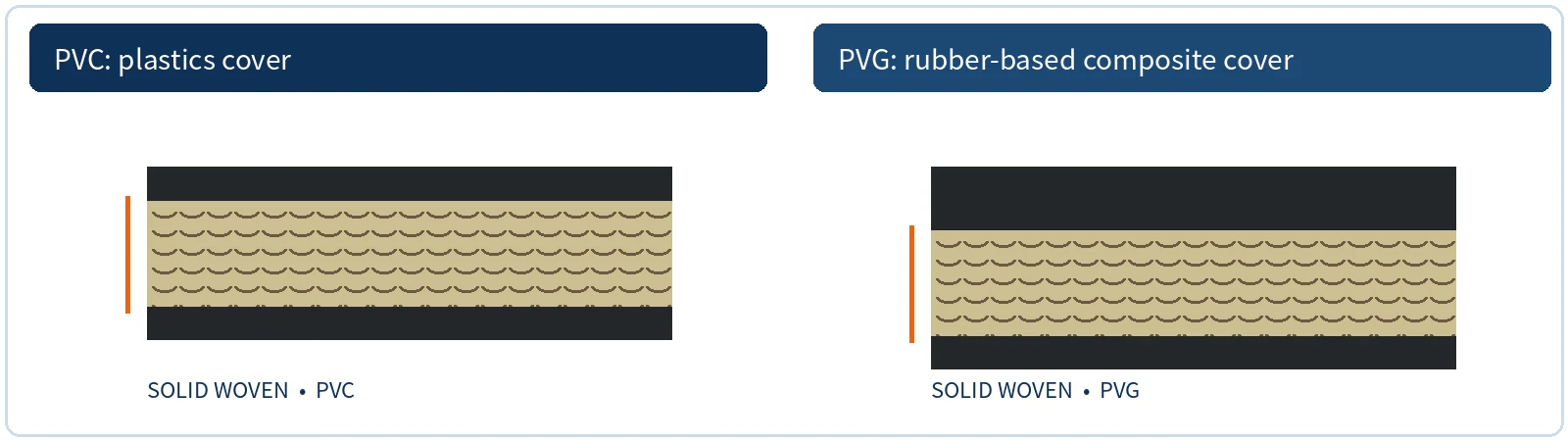
2. PVC vs PVG: covering construction
| Type | Covering construction | Selection focus |
|---|---|---|
| PVC solid woven | PVC-impregnated solid-woven textile carcass with PVC covers | For conveying duties requiring specified flame-retardant, anti-static and surface-cleanability performance |
| PVG solid woven | PVC-impregnated solid-woven textile carcass with rubber-based or rubber/PVC composite covers | For duties placing greater demands on abrasion, impact, wet traction and inclined conveying performance |
PVC and PVG describe covering constructions, not fire-safety grades. Specify the cover thickness, surface finish and belt-strength grade according to the material handled, conveyor duty and purchase specification.
3. Solid woven construction and cross-section
The structure includes the carrying-side cover, impregnated transition zone, continuously interwoven carcass and pulley-side cover. Callouts 1–4 identify these features. This is a structural illustration; the actual weave, impregnation and cover dimensions depend on the selected belt design.
4. Common nominal strength grades and marking
Solid woven belts commonly use an “S” rating based on nominal longitudinal belt strength. For example, 1000S denotes a 1000 N/mm longitudinal strength class. It is not an EP1000 fabric grade and does not specify a number of separate EP textile plies.
| Strength designation | Rated longitudinal strength (N/mm) |
|---|---|
| 680S | 680 |
| 800S | 800 |
| 1000S | 1000 |
| 1250S | 1250 |
| 1400S | 1400 |
| 1600S | 1600 |
| 1800S | 1800 |
| 2000S | 2000 |
| 2240S | 2240 |
| 2500S | 2500 |
The table lists common nominal longitudinal strength designations for solid woven belts. Supply combinations of grade, width and covering thickness depend on the agreed order specification; it is not a stock list.
5. Mechanical performance and belt selection
| Parameter | Specify for the order |
|---|---|
| Strength | Nominal longitudinal N/mm, transverse strength, break and working elongation |
| Dimensions | Width, overall thickness, top/bottom cover, length and tolerances |
| Mechanical behaviour | Tear force, cover-to-carcass adhesion, troughability and pulley diameters |
| Operating duty | Material, abrasion, moisture, belt speed, incline and cleaning arrangements |
| Splicing | Approved fastener/adhesive method, expected splice efficiency and maintenance |
6. Fire and antistatic tests: common procurement parameters
Flame-retardant, antistatic and drum-friction characteristics for mining applications must be assessed under the complete applicable product standard. The values below are examples commonly referenced for Chinese mining-belt procurement.
| Test | Illustrative Chinese mining criteria | Interpretation |
|---|---|---|
| Surface electrical resistance | ≤ 3 × 10⁸ Ω | Test upper and lower surfaces by the agreed method and full standard |
| Alcohol burner: with covers | Mean ≤ 3.0 s; individual ≤ 10.0 s | Evaluate flaming and glowing behaviour as specified by the full method |
| Alcohol burner: covers removed | Mean ≤ 5.0 s; individual ≤ 15.0 s | Test cover-removed specimens using the specified full procedure |
| Drum friction | Typical surface temperature ≤ 325°C and no prohibited flaming | Apply all criteria from the chosen standard |
| Gallery propane burner | Assess flame propagation and undamaged belt length | Limits depend on the applicable safety class |
The figures illustrate procurement acceptance criteria, not EVER JOY test results or evidence of underground-mine approval. Confirm specimen preparation, number of tests and pass/fail rules against the full applicable standard and local regulations.
7. Typical applications and constraints
| Location | Working conditions | Selection requirement |
|---|---|---|
| Mining and coal handling | Surface or underground bulk movement | Verify exact national mine-approval requirements before underground use |
| Power plants / transfer systems | Coal, minerals, granular material and dust | Load, pulleys, cleaning, dust and static control |
| Wet / abrasive solids | Moist material and higher traction demands | Choose PVC or PVG compound and suitable cover thickness |
| Other industrial sites | Areas with defined fire and anti-static requirements | Specify application and independent acceptance tests |
8. Product standards and relevant test methods
| Reference | Application |
|---|---|
| KA/T 914-2019 | Chinese safety standard for textile-reinforced flame-retardant mining belts; the national standards platform lists KA/T 914-2019 as succeeding MT/T 914-2019. Confirm the required edition and local rules. |
| ISO 22721:2023 | Rubber/plastics-covered textile belting for underground mines; plastics-cover properties require agreement |
| ISO 340:2022 | Laboratory-scale flammability requirements and test method |
| ISO 284:2025 | Electrical conductivity requirements and test method |
| EN 14973:2015 | Underground electrical and flammability safety requirements; class selected by hazard assessment |
| AS 4606:2012 | Australian Grade S fire-resistant and antistatic belting safety requirements |
For Russia and CIS projects, specify the applicable local mine-safety standard and documents. GOST 20-2018 primarily covers layered rubber-fabric belts with flat rubber covers and should not be assumed to govern PVC/PVG solid woven constructions. Australian AS 4606 Grade S is a fire/antistatic safety class, not the 1000S nominal-strength designation.
9. Quality control and safety documentation
| Stage | Tests and documents |
|---|---|
| Materials and construction | Woven carcass, impregnation, cover compound and cover thickness |
| Mechanical tests | Warp/weft strength, elongation, tear, adhesion and troughability |
| Safety tests | Electrical resistance, alcohol burner, drum friction, propane burning as required |
| Final inspection | Visual condition, width, length, thickness, marking and roll/batch details |
| Underground approval | Model-specific third-party reports, approval documents and validity as required locally |
10. Technical details to include in an enquiry
| Item | What to provide |
|---|---|
| Belt construction | PVC or PVG; surface finish and top/bottom cover thickness |
| Dimensions and strength | S grade, width (mm), length (m), overall thickness (mm), quantity |
| Duty conditions | Surface/underground, material, humidity, incline, speed and pulley diameters |
| Safety standard | Edition, required flame/antistatic grade, tests and approval documents |
| Delivery | Open-ended/endless, splice system, roll length/weight and destination port |
11. Frequently asked purchasing questions
01 Is PVG a higher fire-resistance grade than PVC?
No. PVC/PVG describe cover construction rather than a fire-safety classification. Compare the actual required test results and documents.
02 Does 1000S mean EP1000 fabric?
No. 1000S is a nominal longitudinal belt-strength class for solid woven belting, not a separate EP fabric-ply designation.
03 Does passing ISO 340 permit underground mining use?
No. It is one laboratory fire test. The applicable mine safety requirements, additional tests and valid approvals must be met.
04 Does anti-static compliance prove flame resistance?
No. Electrical resistance and flame performance are separate properties and require separate testing.
05 Can PVC and PVG operate at the same maximum incline?
Not by material name alone. The material, loading, moisture, surface finish, belt speed and conveyor design affect traction.
06 How are solid woven belts spliced?
Depending on construction and system design, suitable mechanical or adhesive splice methods may be specified; pulley compatibility and splice efficiency must be checked.
07 What should be checked before replacing PVC with PVG?
Confirm overall thickness, belt width, pulleys, troughing idlers, cleaners, tensioning, splice and the required safety evidence.
08 What do you need for a quotation?
Send PVC/PVG type, S grade, width, thickness, length, quantity, duty and location, safety standard and delivery destination; an existing belt label is helpful.
12. Manufacturing and export support
EVER JOY supports overseas industrial-belt buyers. The manufacturing factory is located in Guzhen County, Bengbu, Anhui, China, with a site of approximately 93,333 m² (140 mu) and overall conveyor-belt production capacity of approximately 20,000 m per day. The offered PVC/PVG specification and any mine-safety documentation are checked for the exact proposed model and order.
Send your PVC/PVG solid woven belt specifications and safety requirements for selection and quotation.
Discuss Your Belt Specification & Supply Requirements
Related Products
 Conveyor Idlers & Idler Sets
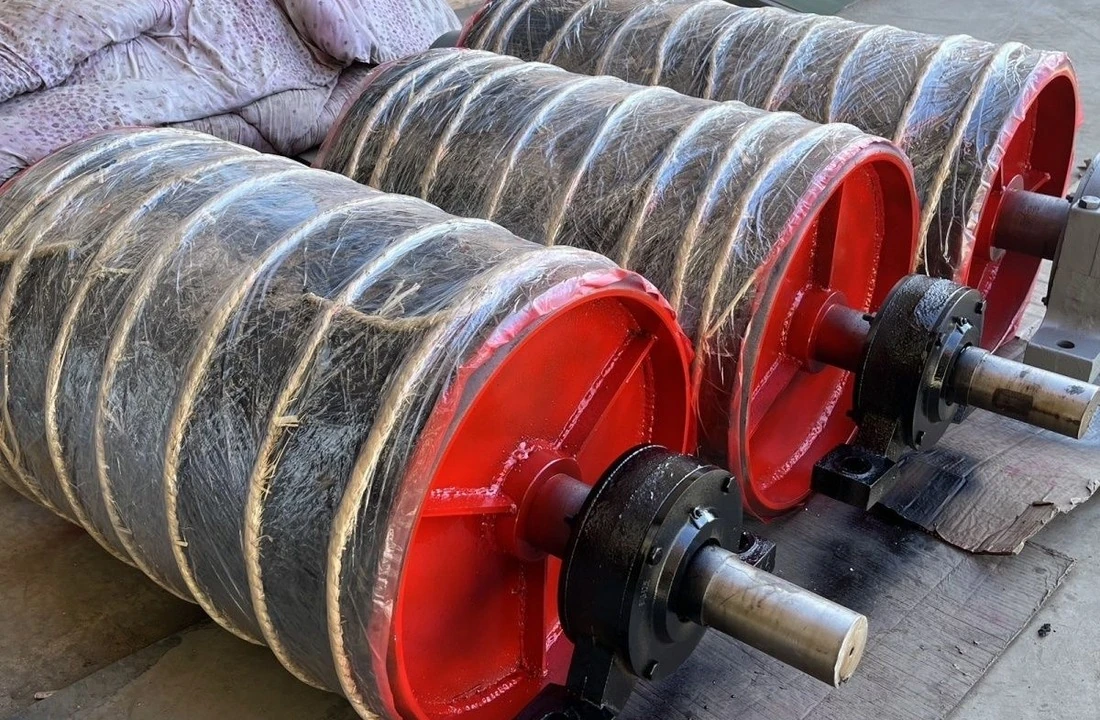 Conveyor Drum Pulleys
Explore other conveyor belts
Explore Our Conveyor Belts
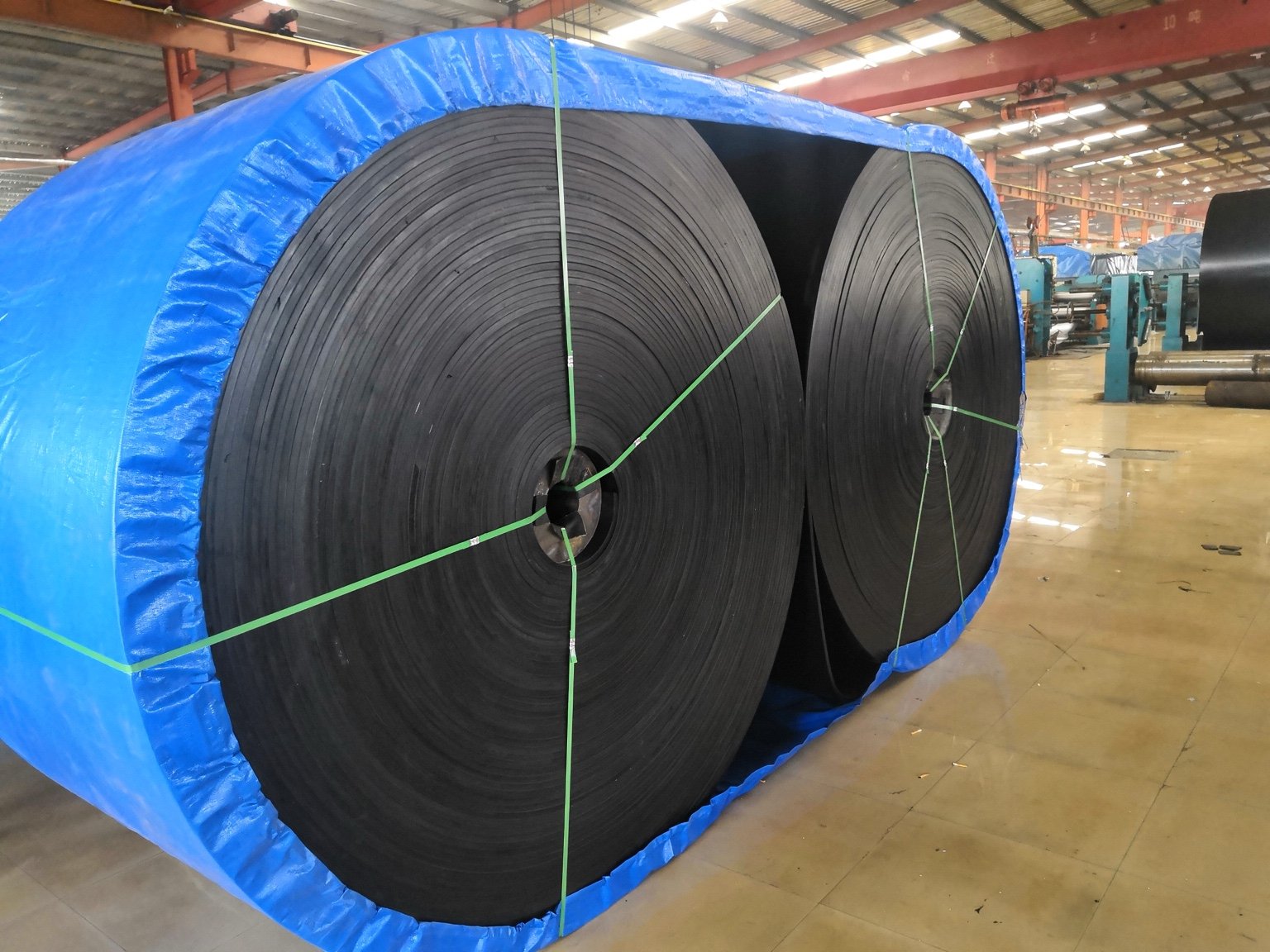
Acid and Alkali Resistant Conveyor Belt
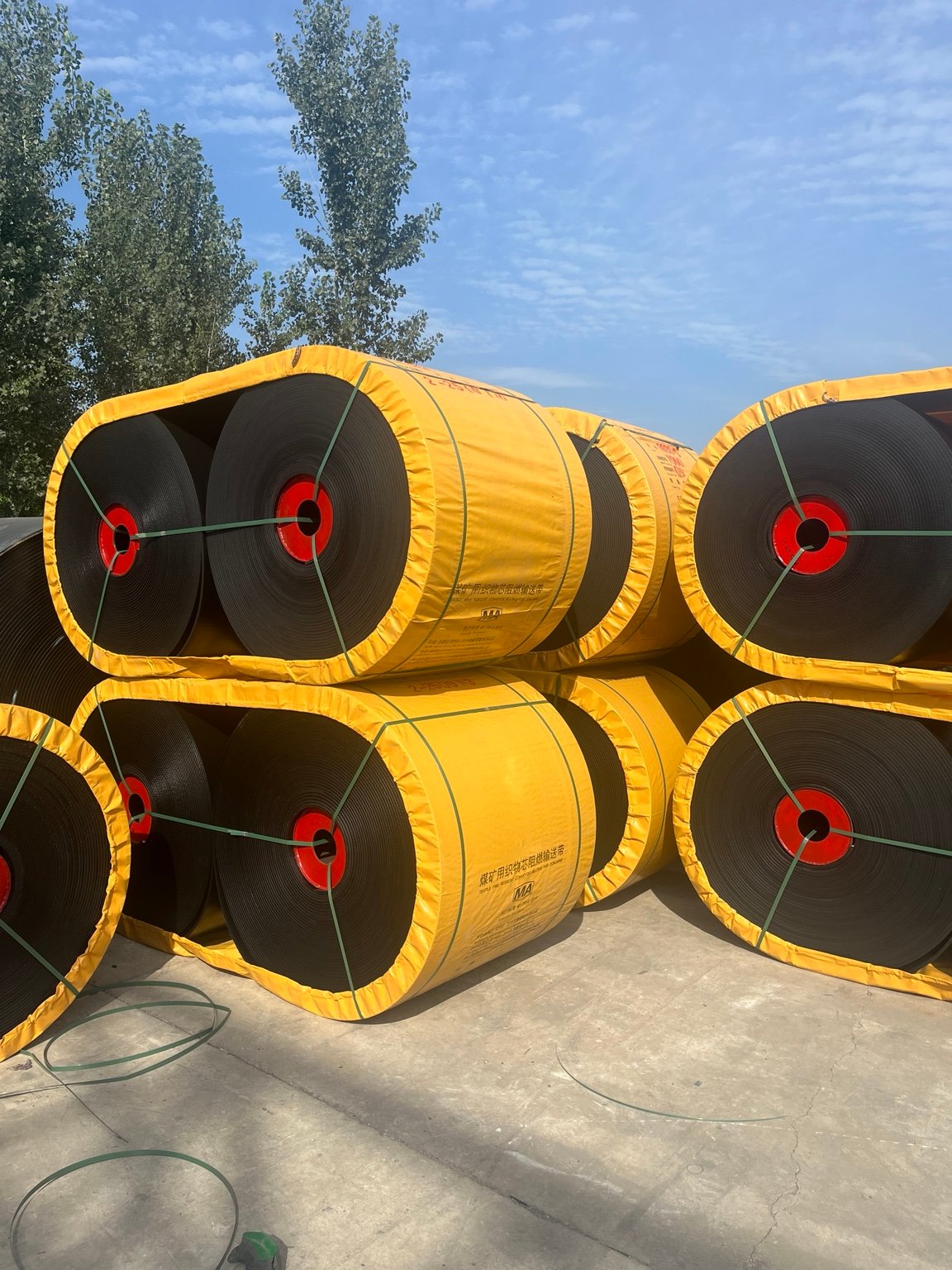
General Flame Retardant Conveyor Belt

Solid Core Flame Retardant Conveyor Belt for Coal Mine
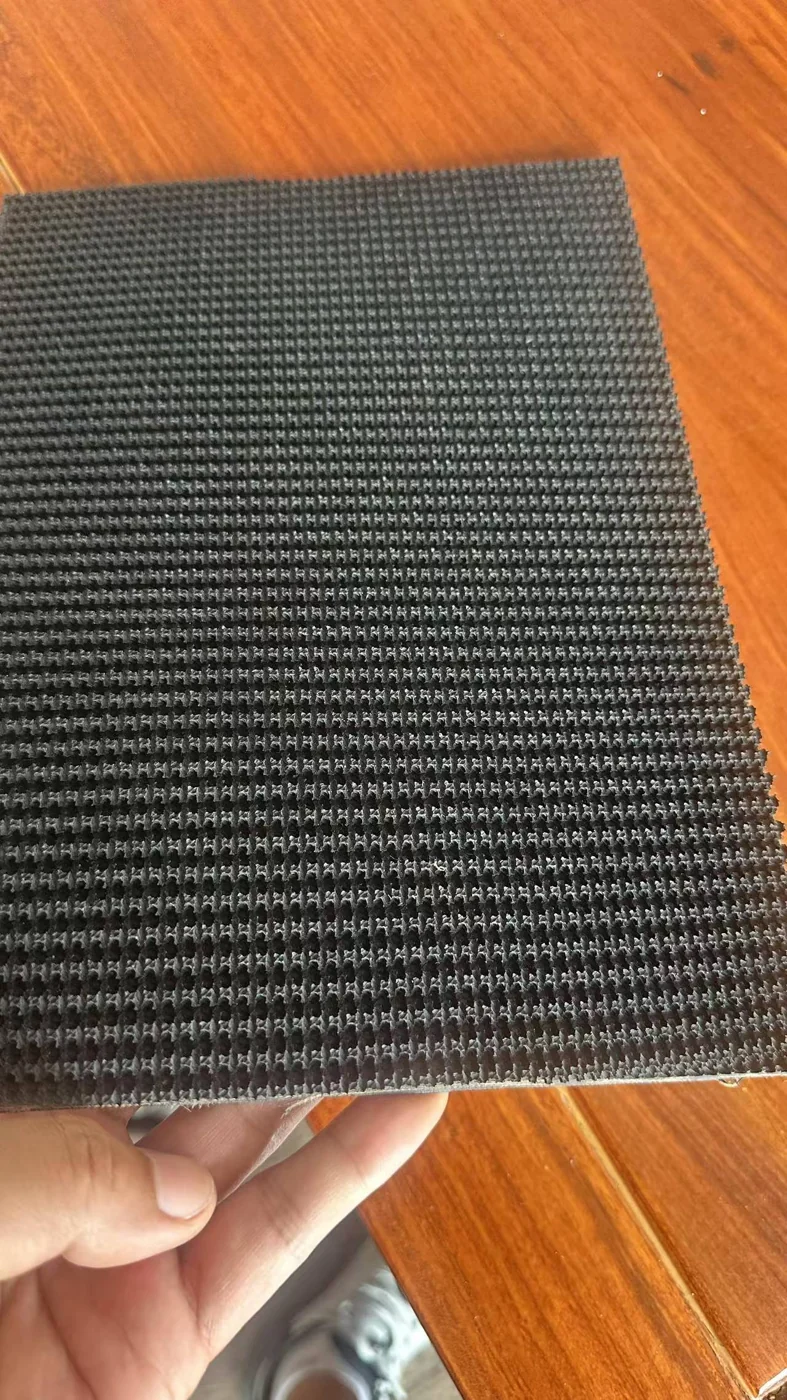
Magic Carpet Grass-pattern Conveyor Belt
Chevron Conveyor Belt
EP & NN Fabric Conveyor Belts
Heat Resistant Conveyor Belt
Wire Rope Conveyor Belt

Acid and Alkali Resistant Conveyor Belt

General Flame Retardant Conveyor Belt
Solid Core Flame Retardant Conveyor Belt for Coal Mine

Nylon Conveyor Belt

Heat Resistant Conveyor Belt

Wire Rope Conveyor Belt


 English
 Spanish