
EVER JOY / INDUSTRIAL CONVEYOR BELTING
Heat Resistant Conveyor Belts
Rubber belting for cement, steel, coke and other hot bulk-material handling applications
Steel and sinter plants — Sinter, return fines and hot ore
Coke and power industries — Coke and other hot bulk products
1. Product overview and applications
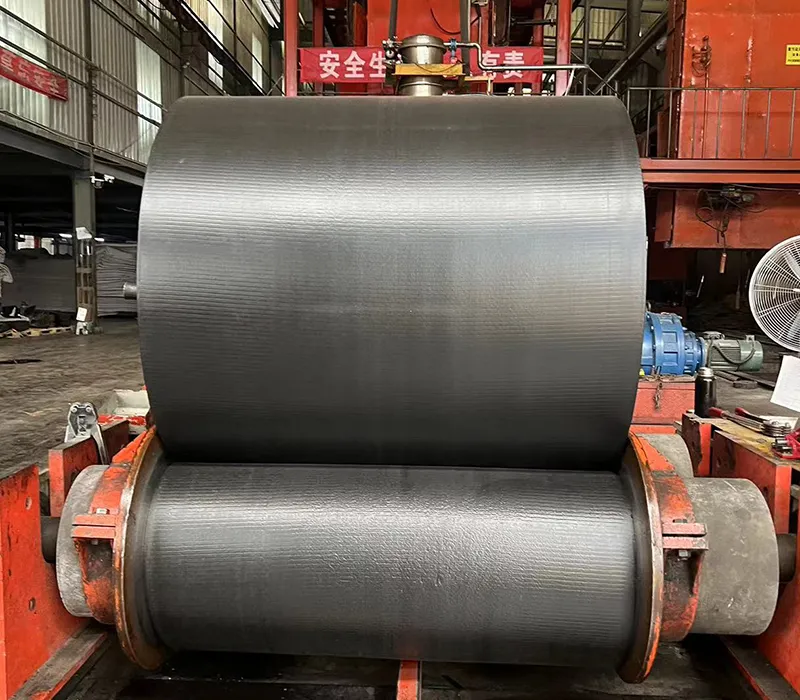
EVER JOY heat-resistant conveyor belts combine a suitable carrying cover, bonding rubber and textile carcass for demanding heat-exposure duties. We review actual material and belt-surface temperatures, contact duration, loading and mechanical conditions before agreeing a belt construction and acceptance specification.
Ordinary rubber belting exposed repeatedly to hot bulk materials can suffer surface hardening, cracking, accelerated wear, loss of adhesion or splice deterioration. Selecting a heat-resistant belt therefore means designing the cover, skim rubber, reinforcement and splice as one system rather than choosing a temperature label in isolation.
Typical applications include hot clinker transfer in cement plants, sinter and return fines in steelmaking, coke handling, foundry aggregates and selected mineral-processing duties. Abrasion, impact, particle edges, carryback and cleaning systems also affect belt selection.
2. Typical operating environments
| Industry | Material / application | Engineering focus |
|---|---|---|
| Cement and building materials | Clinker and hot mineral granules | Record discharge temperature, lump size, loading depth and stalled-belt exposure |
| Steel and sinter plants | Sinter, return fines and hot ore | Review impact, sharp edges, local hot spots and abrasion |
| Coke and power industries | Coke and other hot bulk products | Check particle size, dust, duty cycle and separate fire-safety requirements |
| Foundry and minerals | Hot sand and processed aggregate | Confirm surface heat, drop height, cooling and transfer-point design |
3. Belt construction and material selection
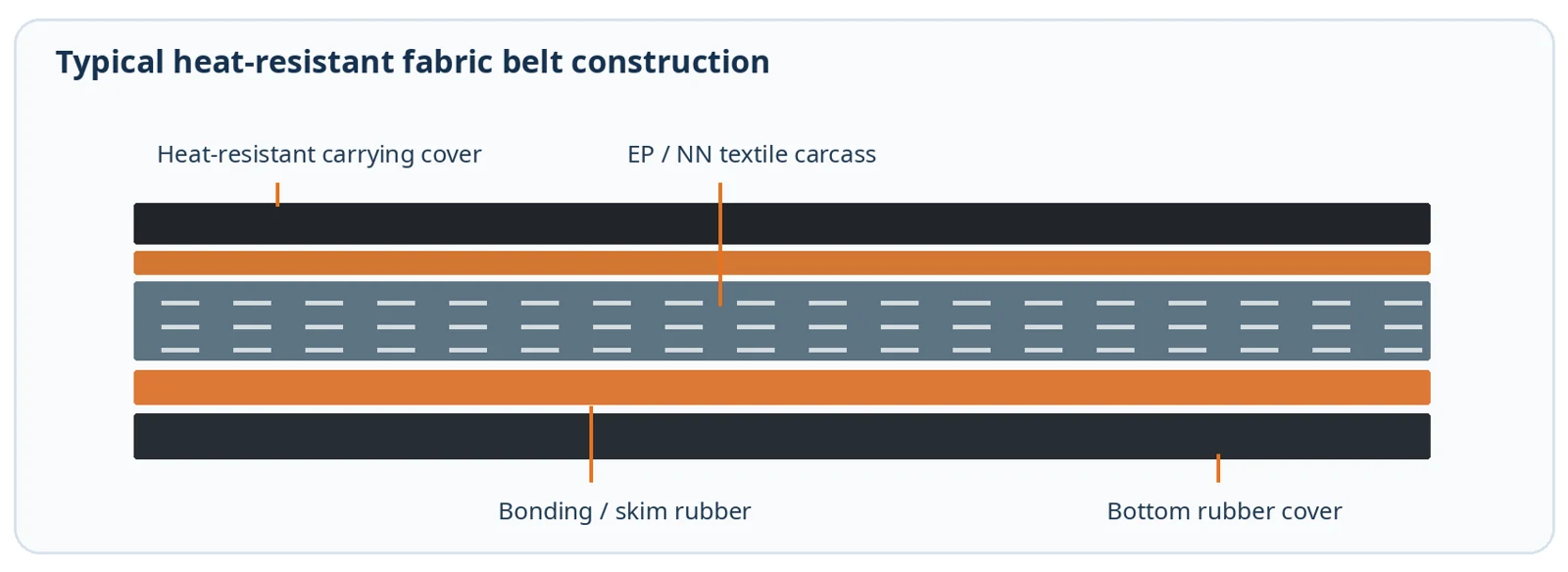
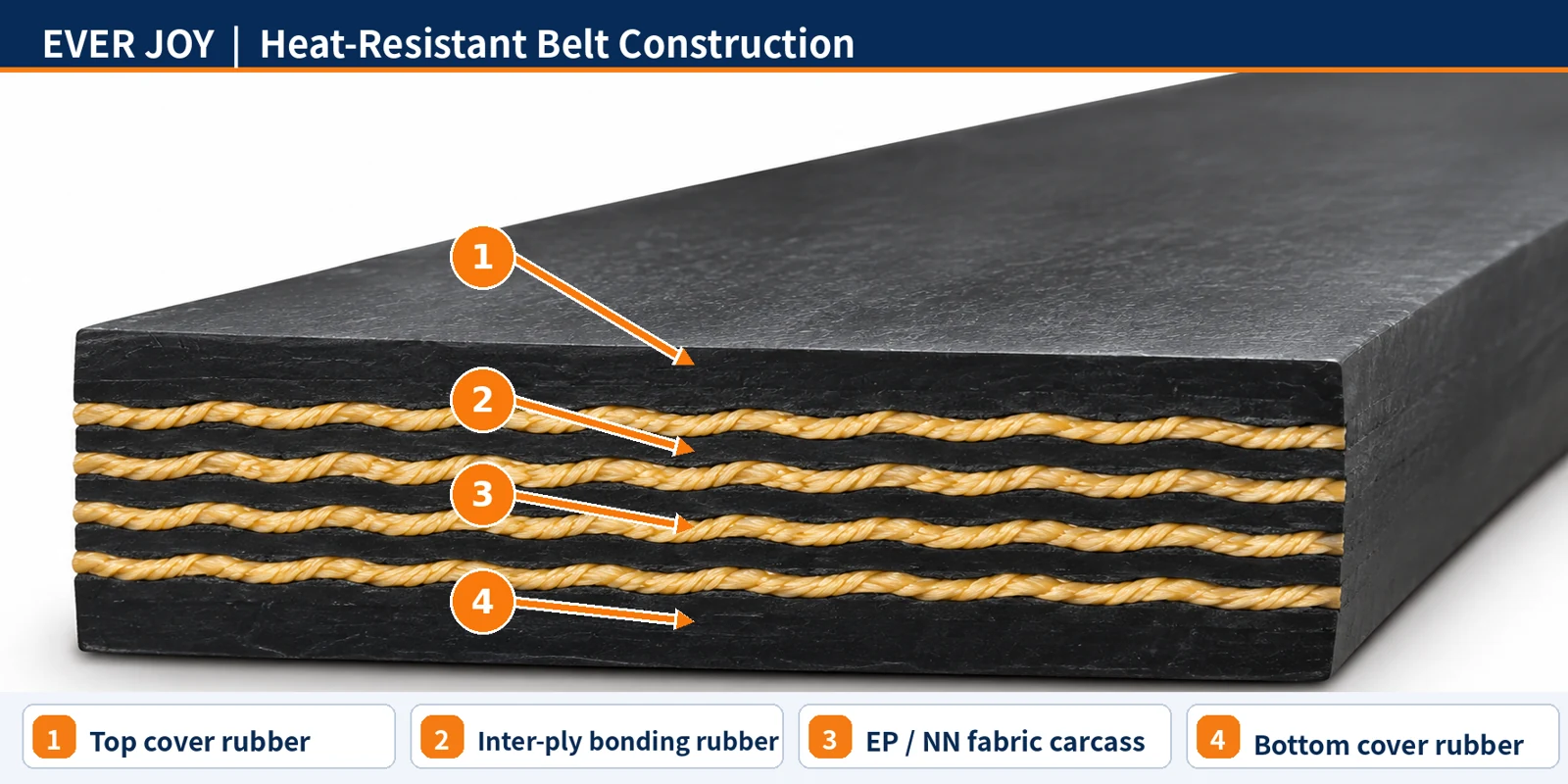
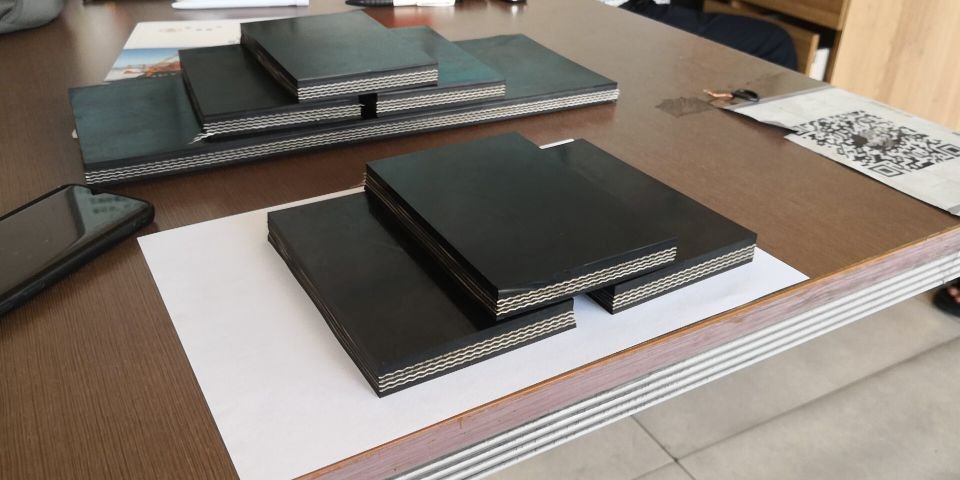
The carrying cover resists direct thermal contact and abrasion. Bonding rubber secures the cover-to-carcass system. The EP or NN fabric reinforcement carries the design tensile load and must suit pulley diameters, troughing and splicing. Heat-resistant formulations may involve suitable SBR- or EPDM-based compounds, but compound names alone do not prove service performance.
The design can be evaluated with different EP/NN carcasses, ply counts and top/bottom cover thicknesses. Higher impact or belt tension may require further analysis of the carcass, cushioning, cover thickness and splice construction.
Construction legend (1–4): top cover, inter-ply bonding rubber, EP/NN fabric carcass, bottom cover. Illustration only; final construction follows the ordered specification.
4. Heat grades and the three temperatures
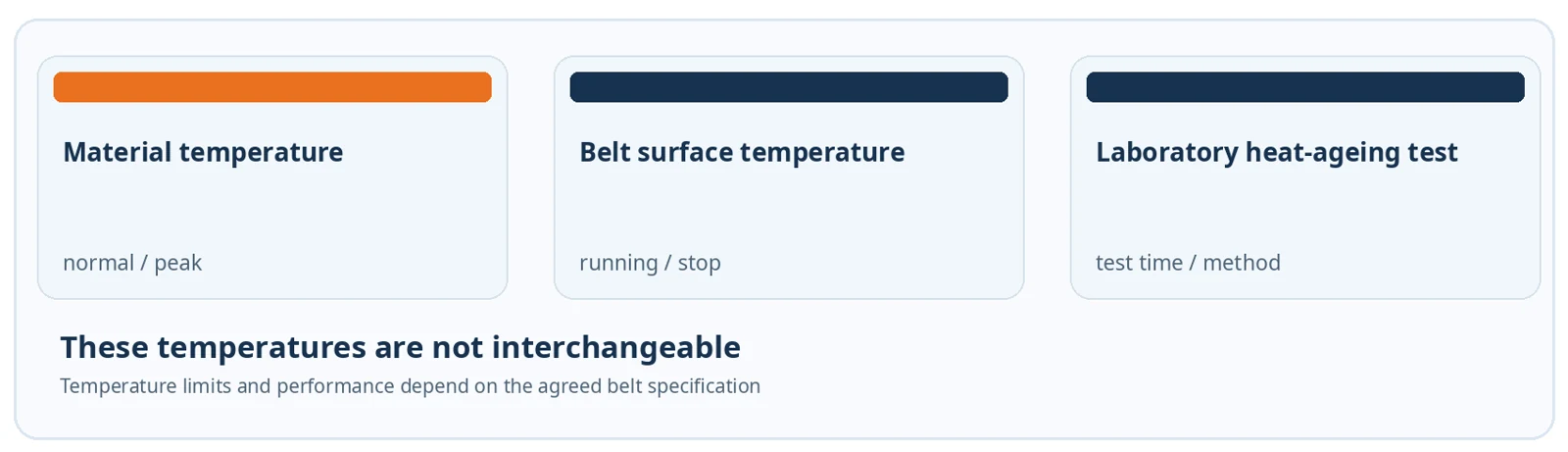
Record three distinct values: (1) normal and peak conveyed-material temperature; (2) the belt carrying-surface temperature under operating conditions; and (3) laboratory cover heat-ageing temperature, exposure period and property changes. These are not directly interchangeable.
Under Chinese GB/T 20021-2017, T1, T2, T3 and T4 designate heat-ageing test classes for fabric-reinforced heat-resistant conveyor belts. Commercial labels such as HR120 or HR150 do not automatically correspond to these classes. The tables below help specify laboratory tests and acceptance criteria; conveyed-material temperature, actual carrying-surface temperature and test temperature are separate values.
ISO 4195:2026 covers heat-ageing performance of rubber belt covers. Its stated scope applies to belts with a carrying-side cover at least 4 mm thick. The laboratory test condition must not be presented as a universal permitted bulk-material temperature.
Heat-resistance classes and laboratory test temperatures
| Classification system | Grade 1 | Grade 2 | Grade 3 | Grade 4 |
|---|---|---|---|---|
| GB/T 20021-2017 (China) | T1 · 100°C | T2 · 125°C | T3 · 150°C | T4 · 180°C |
| ISO 4195:2026 | Class 1 · 100°C | Class 2 · 125°C | Class 3 · 150°C | Class 4 · 175°C |
These figures define laboratory heat-resistance test classes, not maximum conveyed-material temperatures. GB/T 20021 specifies 180°C for T4, while ISO 4195:2026 uses 175°C for Class 4; the two classifications should not be treated as automatically interchangeable. ISO 4195:2026 applies to conveyor belts with a carrying-side rubber cover of at least 4 mm.
Rubber-cover acceptance criteria after heat ageing (GB/T 20021-2017)
| Cover performance criterion | T1 | T2 | T3 | T4 |
|---|---|---|---|---|
| Maximum hardness increase (IRHD) | +20 | +20 | +20 | +20 |
| Maximum hardness after ageing (IRHD) | 85 | 85 | 85 | 85 |
| Maximum tensile-strength reduction (%) | 25 | 30 | 40 | 40 |
| Minimum tensile strength after ageing (MPa) | 12 | 10 | 5 | 5 |
| Maximum elongation-at-break reduction (%) | 50 | 50 | 55 | 55 |
| Minimum elongation at break after ageing (%) | 200 | 200 | 180 | 180 |
The figures above are acceptance criteria under GB/T 20021-2017, not measured test results for every EVER JOY belt. The governing standard edition, heat-ageing method and duration, selected class and lot-specific inspection documents are agreed in the purchase specification.
Heat-ageing test conditions and test report
For GB/T 20021-2017 grades T1–T4, heat-ageing evaluation of the rubber covers follows the referenced GB/T 33510-2017 test procedure. Common specified exposure conditions are T1—100°C × 168 h, T2—125°C × 168 h, T3—150°C × 168 h and T4—180°C × 168 h. ISO 4195:2026 uses a separate classification and test procedure: Method A applies unless otherwise specified, while Method B must be agreed and recorded. Do not import exposure times from an older edition or another standard. The test report should state the actual temperature, duration, method, initial and aged measurements, and pass/fail evaluation.
| Test-plan item | Information to state in the purchasing specification and report |
|---|---|
| Class and reference | Specify GB/T 20021-2017 (T1–T4) or ISO 4195:2026 (Classes 1–4); do not equate their designations automatically |
| Ageing temperature | Use the temperature of the selected class, as outlined in the grade table above |
| Exposure duration | GB/T 20021-2017 reference regimes under the cited GB/T 33510-2017 procedure: T1 100°C × 168 h; T2 125°C × 168 h; T3 150°C × 168 h; T4 180°C × 168 h. ISO 4195:2026 follows its own Method A/B duration requirements. |
| Method and specimens | ISO 4195:2026 normally uses Method A; Method B must be stated. Record specimen sampling, preparation and conditioning |
| Before/after values | Cover hardness (IRHD), tensile strength (MPa), elongation at break (%) and their percentage changes |
| Acceptance and traceability | Date, sample/lot ID, class, limit, measured value, result and laboratory or factory record |
The test-plan information above does not mean every construction or lot is qualified for every class. Specify the required class and inspection scope in the order.
5. Technical specification and order parameters
| Parameter | Specification information |
|---|---|
| Belt construction | EP or NN textile carcass, selected for finished-belt strength, plies and conveyor geometry |
| Belt width | To match the installation and available manufacturing capability; factory maximum width is 2,200 mm |
| Strength / ply designation | State the finished longitudinal belt rating (N/mm) and ply count separately: e.g., EP400/4 = 400 N/mm finished rating with four plies; do not confuse this with a per-ply fabric rating. |
| Cover thickness | Specify carrying and pulley-side covers separately in mm; confirm finished total thickness |
| Heat-duty requirement | Normal/peak duty, ageing test reference, class, duration and agreed limits |
| Rubber properties | Tensile strength, elongation, hardness and retained properties after ageing as specified |
| Conveyor conditions | Speed, pulley diameters, trough angle, loading, drop height, cleaners and splice |
| Delivery format | Open or endless belt, roll length, maximum roll mass, packing and port |
How to state a belt designation Specification example: 1,000 mm width × EP400/4 × 6 mm carrying cover / 2 mm pulley cover × agreed heat-duty grade × ordered length. This illustrates the quotation format; final construction and performance are defined in the order specification.
Typical construction options for enquiries
The following examples show how fabric carcasses and rubber covers can be specified for an RFQ. The manufacturing plant has an overall maximum belt width of 2,200 mm. Heat-duty grade, production availability and roll dimensions are finalized against the project specification.
| Illustrative duty | Fabric ply-count example (rating separately agreed) | Indicative enquiry widths (mm) | Top/bottom cover examples (mm) |
|---|---|---|---|
| General hot bulk handling | 3-ply EP/NN fabric carcass | 600 / 800 / 1,000 | 4+2, 5+2 |
| Clinker and mineral granules | 4-ply EP/NN fabric carcass | 800 / 1,000 / 1,200 | 6+2, 6+3 |
| Higher-tension or abrasive service | 4-ply EP/NN fabric carcass | 1,000 / 1,200 / 1,400 | 6+3, 8+2 |
| Wide or heavier-duty conveying | 5-ply EP/NN fabric carcass | 1,200 / 1,600 / 2,000 | 8+2, 8+3 |
The table illustrates enquiry combinations of fabric plies, belt widths and top/bottom covers; it is not a list of products tested for every heat-resistance class. Use finished-belt marking to state carcass type, rated longitudinal tensile strength (N/mm) and ply count. For example, EP400/4 means a finished rating of 400 N/mm with four fabric plies. EP100, EP150 or EP200 may also denote an individual fabric-ply rating in other contexts; they must not be substituted for the finished-belt rating. State finished rating, plies, cover thicknesses and heat class in the order.
Rubber-cover and interlayer mechanical properties
The following values are specified in national standards. Heat-aged cover limits follow GB/T 20021-2017, Clause 4.2.1 and Table 1. Ambient-temperature textile-carcass adhesion figures are reference requirements for synthetic-fibre construction under GB/T 32457-2015, tested to GB/T 6759-2013. The applicable editions and acceptance criteria are specified in the purchase agreement.
| Test characteristic | Standard acceptance value | Reference / applicability |
|---|---|---|
| Cover hardness after heat ageing | Hardness increase ≤20 IRHD; final hardness ≤85 IRHD (T1–T4) | GB/T 20021-2017, Table 1 |
| Minimum tensile strength after heat ageing | T1 ≥12 / T2 ≥10 / T3 ≥5 / T4 ≥5 MPa | GB/T 20021-2017, Table 1 |
| Maximum tensile-strength loss after heat ageing | T1 ≤25% / T2 ≤30% / T3 ≤40% / T4 ≤40% | GB/T 20021-2017, Table 1 |
| Minimum elongation at break after heat ageing | T1, T2 ≥200%; T3, T4 ≥180% | GB/T 20021-2017, Table 1 |
| Maximum elongation loss after heat ageing | T1, T2 ≤50%; T3, T4 ≤55% | GB/T 20021-2017, Table 1 |
| Adjacent synthetic-fibre ply adhesion (ambient) | Average of samples ≥4.5 N/mm; lowest peak ≥3.9 N/mm | GB/T 32457-2015; GB/T 6759-2013 test |
| Cover-to-carcass adhesion, cover >1.5 mm (ambient) | Average ≥3.5 N/mm; lowest peak ≥2.9 N/mm | GB/T 32457-2015; GB/T 6759-2013 test |
| Cover-to-carcass adhesion, cover 0.8–1.5 mm (ambient) | Average ≥3.2 N/mm; lowest peak ≥2.4 N/mm | GB/T 32457-2015; GB/T 6759-2013 test |
| Finished-belt longitudinal full-thickness tensile strength | Acceptance based on the specified finished-belt rating (N/mm) | GB/T 20021-2017 and GB/T 3690 |
| Cover abrasion, if required | Test and limit specified by cover grade and order; not one universal T1–T4 value | Not a universal T1–T4 limit in GB/T 20021-2017 |
Note: T1–T4 are laboratory heat-ageing grades, not guaranteed conveyed-material temperatures. Textile adhesion values are ambient-condition structural criteria; they are not post-heat-ageing adhesion limits. Figures are standard acceptance thresholds, not test results for a specific EVER JOY batch.
6. A practical four-step selection process
| Step | Engineering check |
|---|---|
| 1 · Thermal duty | Measure normal/peak material heat, belt-surface heat, contact time and hot material during stops |
| 2 · Mechanical duty | Check lump size, impact, abrasion, loading depth, belt speed and conveyor geometry |
| 3 · Belt design | Select carcass strength, plies, cover compound and thickness, plus a suitable splice |
| 4 · Acceptance | Agree standard editions, test methods, acceptance limits, documents and shipment format |
7. International and market standards
| Reference | Relevance to the purchase specification |
|---|---|
| ISO 4195:2026 | Heat-resistance requirements/tests for rubber covers; carrying cover at least 4 mm |
| ISO 14890:2026 | General-purpose textile-construction conveyor belt requirements |
| ISO 283:2023 / ISO 252:2023 | Textile-belt full-thickness tensile and interlayer adhesion test methods |
| DIN 22102-1:2020-12 | German textile-ply belt dimensions, specifications and marking |
| ГОСТ 20-2018 | Relevant textile-belt requirements and certain heat-resistant types for CIS specifications |
| GB/T 20021-2017 | Current Chinese fabric heat-resistant belt specification; 2026 edition starts 1 Feb 2027 |
| AS 1332:2000 | Australian textile-reinforced belt requirements, not a stand-alone heat grade |
| GB/T 33510 (specified edition) | Requirements and test methods for heat-resistant rubber covers, used in conjunction with the GB/T 20021 T-class criteria; applicable edition to be agreed in the contract. |
References identify possible purchasing standards; they do not imply automatic certification or compliance for every belt. Acceptance is established by the specified product and documented tests.
8. Quality checks, packing and shipment
An agreed inspection plan may address dimensions, textile carcass strength, cover tensile and elongation properties, change after heat ageing, adhesion, appearance, splice construction and roll sizes. Tests must be performed and compared against the method and limits written into the order.
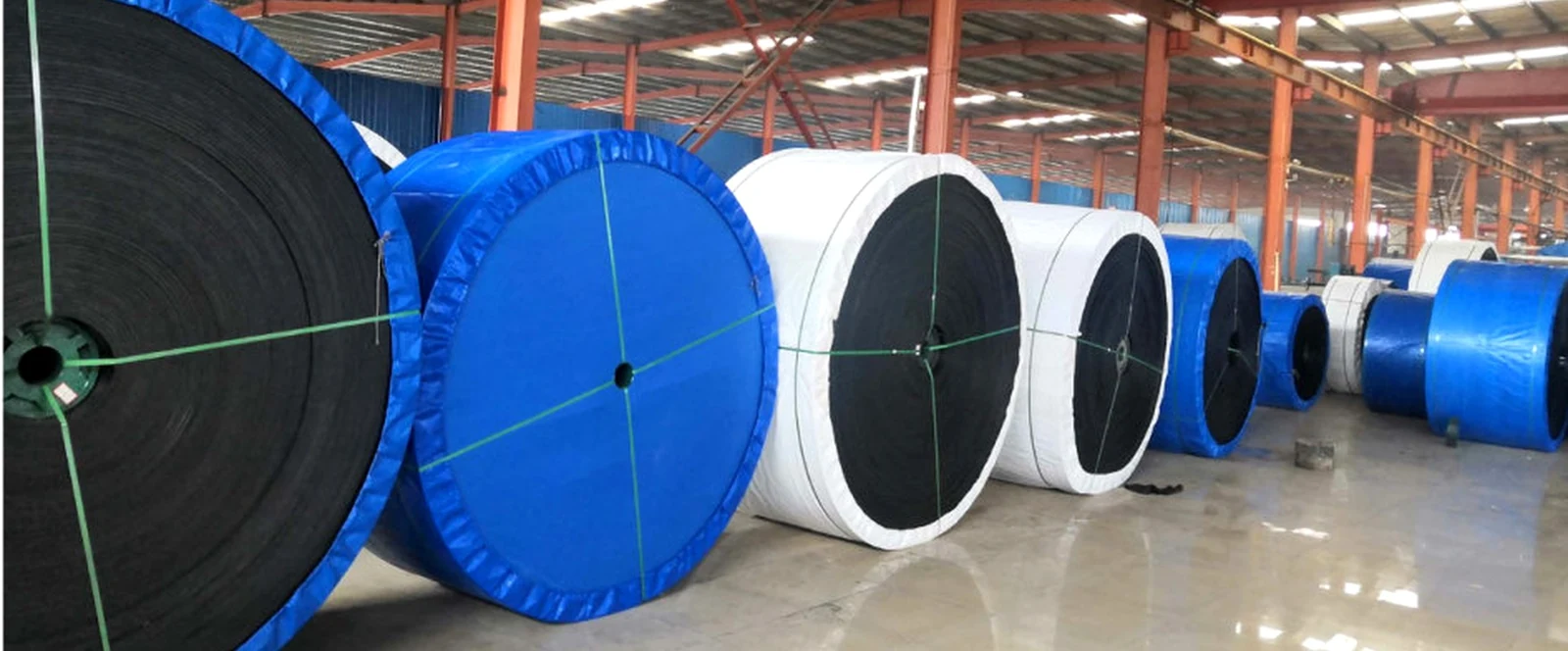
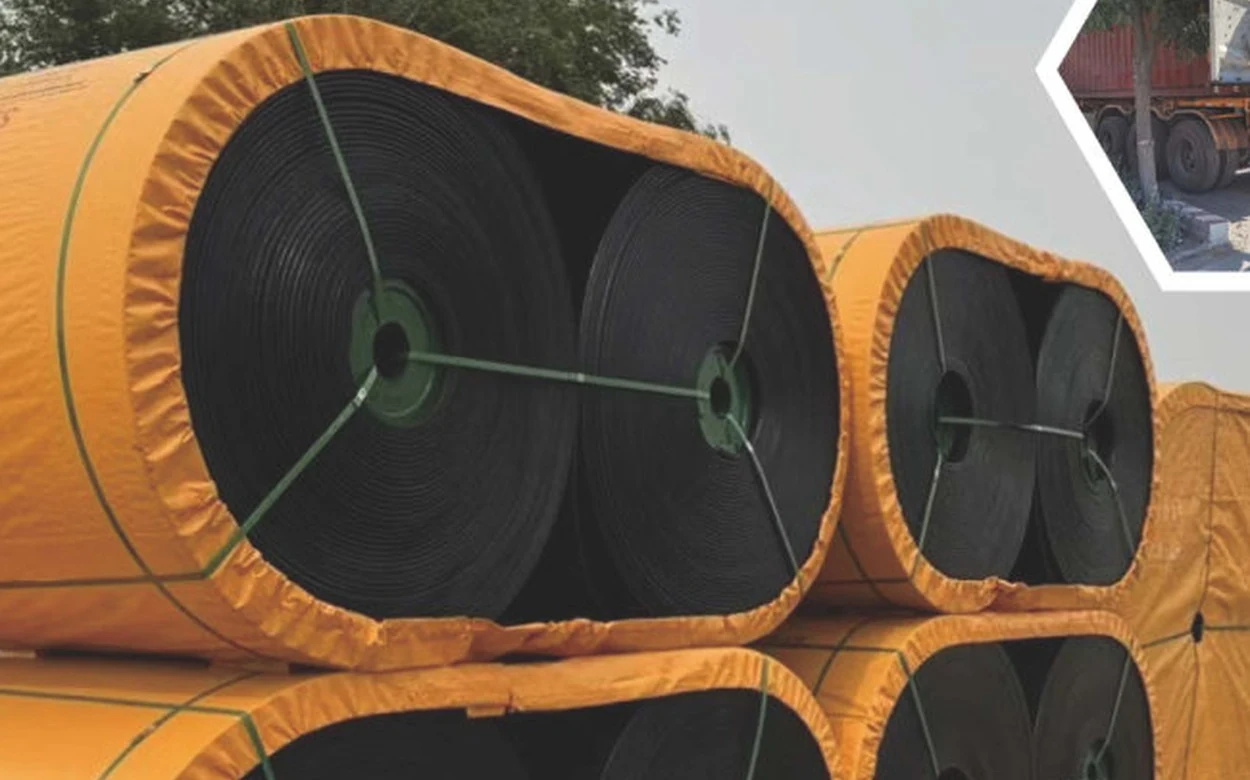
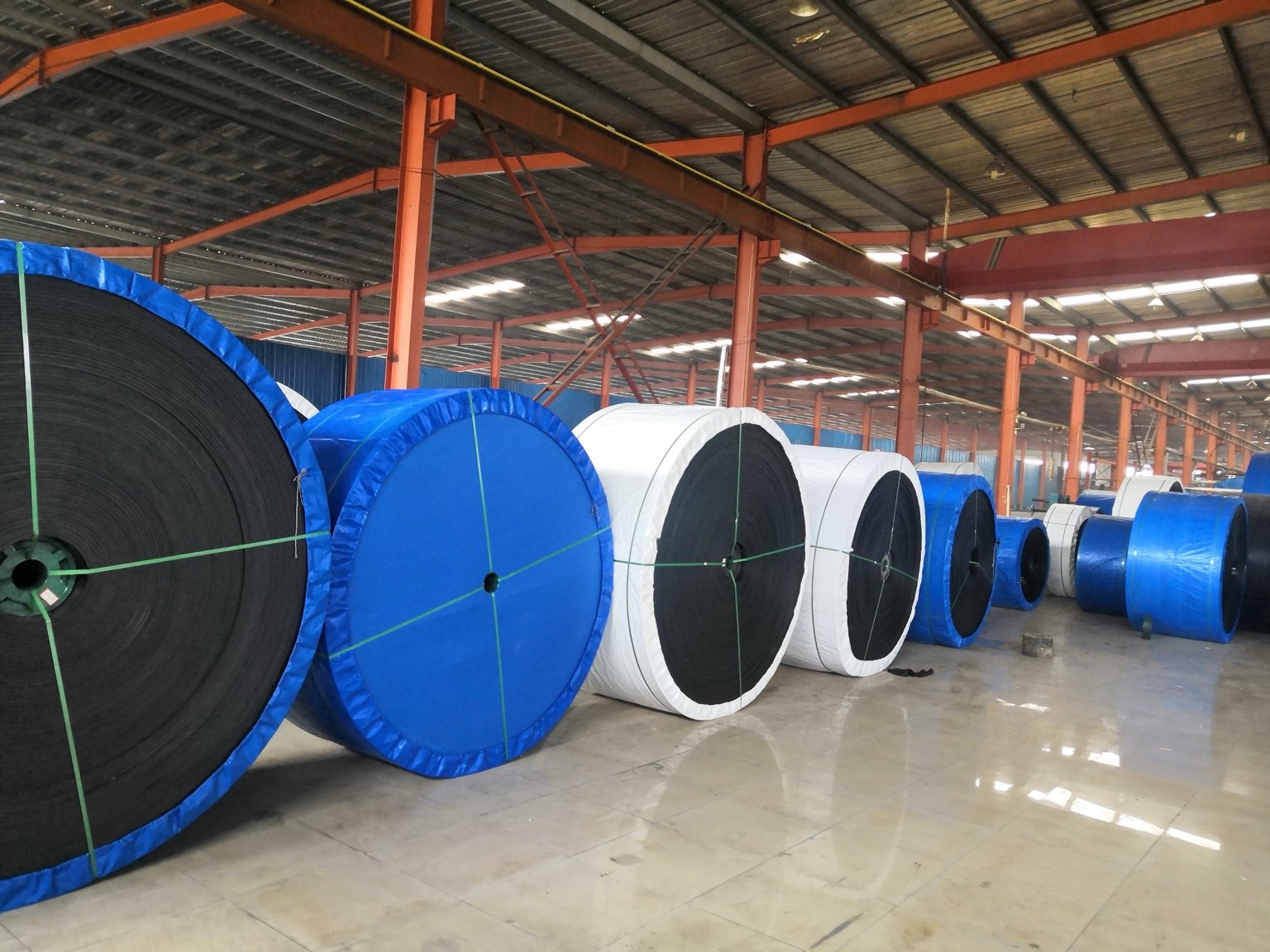
Export rolls can be prepared to the agreed length, core, protection, markings and handling limits. For heavy rolls or container restrictions, confirm maximum roll diameter, mass and unloading equipment before production.
EVER JOY export-packed conveyor belt rolls
Inspection documents for project purchasing
For cement, steel and long-duty projects, state which traceable inspections and shipment records are required in the purchase agreement.
| Record | Typical contents |
|---|---|
| Belt datasheet and marking | Width, length, carcass, finished-belt rating, plies, top/bottom covers, heat class and lot number |
| Cover heat-ageing test report | Edition, Method A/B, temperature, exposure hours, unaged/aged hardness, tensile strength, elongation and verdict |
| Mechanical and adhesion results | Unaged cover properties, finished-belt tensile test, fabric-to-fabric and cover-to-fabric adhesion |
| Dimension and visual inspection | Width, thickness, length, appearance, rolls and product markings |
| Packing and shipping record | Roll identification, roll length, gross/net weight, outer diameter, packing and destination |
The specific inspection plan and document format are subject to the purchase agreement. Request any third-party inspection or witnessed tests before production.
9. Manufacturing and export support
EVER JOY supports overseas customers with specification review, manufacturing coordination, agreed inspection documentation and export delivery. Its manufacturing site in Guzhen County, Bengbu, Anhui, China covers approximately 140 mu (93,333 m²), with an overall daily conveyor belt output of around 20,000 metres. These are site-wide figures, not a stated output for an individual heat-resistant model.
10. What to send for a quotation
- Belt width, length or endless circumference, and quantity
- Carcass type, finished belt strength, plies and top/bottom covers
- Material name, particle size, bed depth and impact loading
- Normal/peak material temperature, belt surface temperature and exposure time
- Belt speed, pulley diameters, splice, and photos of any current failures
- Destination country/port, roll constraints and requested test documents
11. Frequently asked questions
01 Does HR150 alone establish a permitted service temperature?
No. The notation has to be interpreted together with the specified standard, actual material/belt temperature, peak heat, contact duration and agreed product data.
02 Are material temperature and belt-surface temperature the same?
Not necessarily. Heat transfer varies with particle size, bed depth, belt speed, contact and cooling. Both should be recorded.
03 Is a heat-resistant belt also fire-resistant or anti-static?
These are separate performance requirements and, where necessary, need their own test criteria and approval process.
04 How do I choose between EP and NN reinforcement?
Select according to tension, elongation, impact, pulley and splice requirements. Fabric marking does not establish rubber heat resistance.
05 How thick should the top cover be?
The design balances heat duty, wear and impact. ISO 4195:2026 applies only when the carrying cover is at least 4 mm thick.
06 Can inspection documents be provided?
Agreed test items, methods and reporting can be included in the purchase specification, with documents tied to the relevant shipment or production lot.
07 What information helps assess premature cracking or delamination?
Send belt markings, photographs, temperature records, operating hours, belt speed and details of material and conveyor geometry.
08 What is needed for a reliable quotation?
Provide width, construction, cover thicknesses, thermal duty, quantity, delivery location and any applicable standard or tests.
12. Send your heat-resistant belt specification for a project-matched quotation
Discuss Your Belt Specification & Supply Requirements
Related Products
 Conveyor Idlers & Idler Sets
 Conveyor Drum Pulleys
Explore other conveyor belts
Explore Our Conveyor Belts
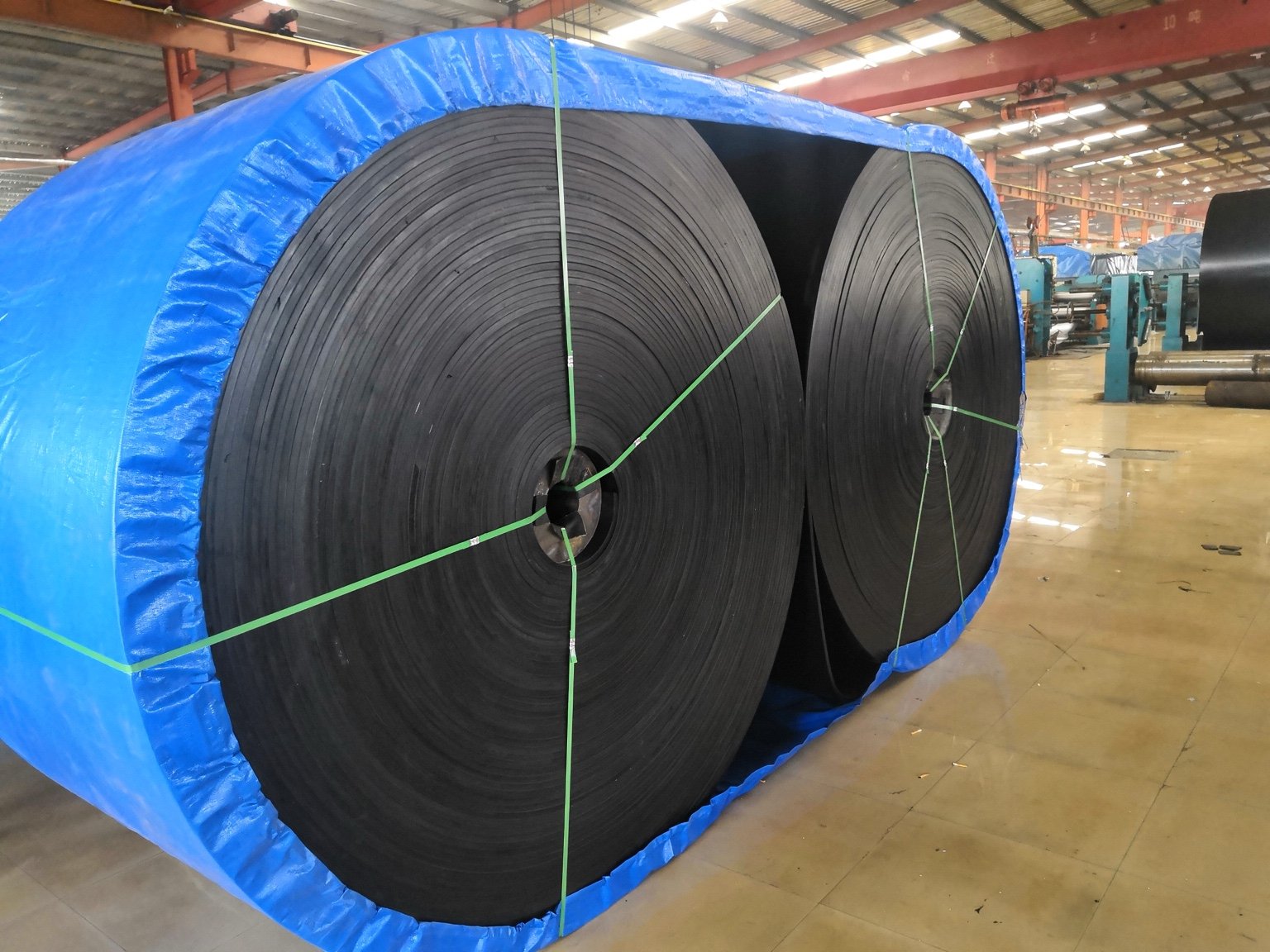
Acid and Alkali Resistant Conveyor Belt
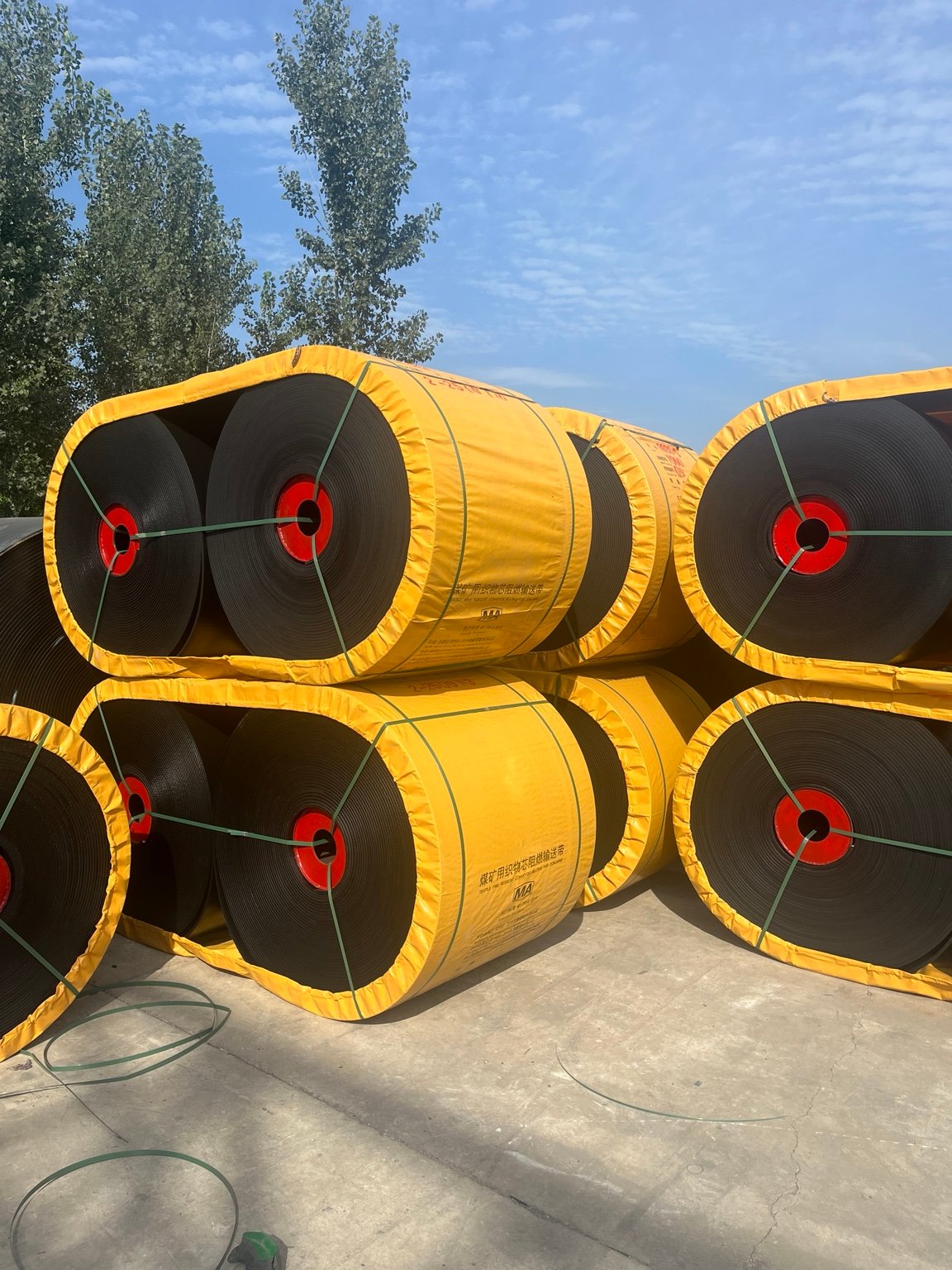
General Flame Retardant Conveyor Belt

Solid Core Flame Retardant Conveyor Belt for Coal Mine
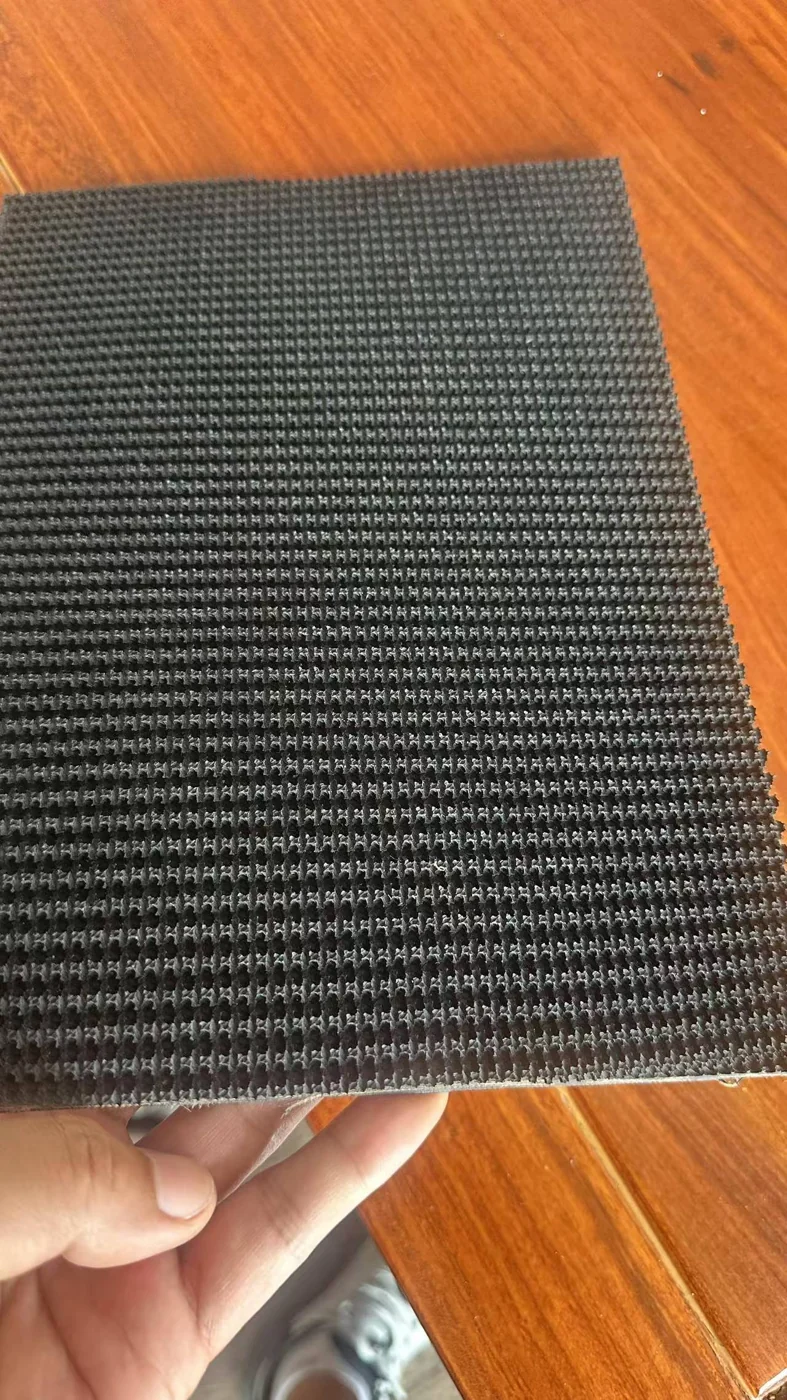
Magic Carpet Grass-pattern Conveyor Belt
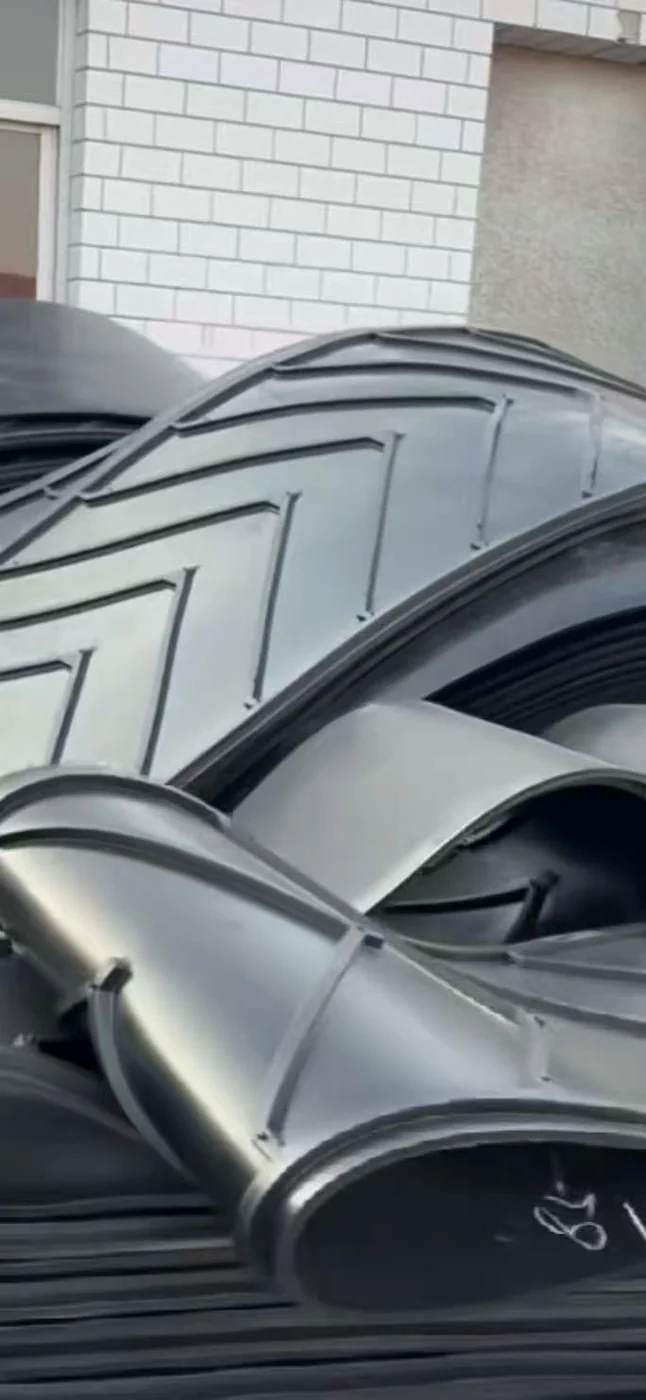
Chevron Conveyor Belt
EP & NN Fabric Conveyor Belts
Heat Resistant Conveyor Belt
Wire Rope Conveyor Belt

Acid and Alkali Resistant Conveyor Belt

General Flame Retardant Conveyor Belt
Solid Core Flame Retardant Conveyor Belt for Coal Mine

Nylon Conveyor Belt

Heat Resistant Conveyor Belt

Wire Rope Conveyor Belt


 English
 Spanish