
A reliable conveyor depends on the belt and its supporting components working together. When diagnosing wear, mistracking or repeated belt damage, review rollers, pulleys, bearings, the drive, loading points and cleaning equipment as well as the belt itself.
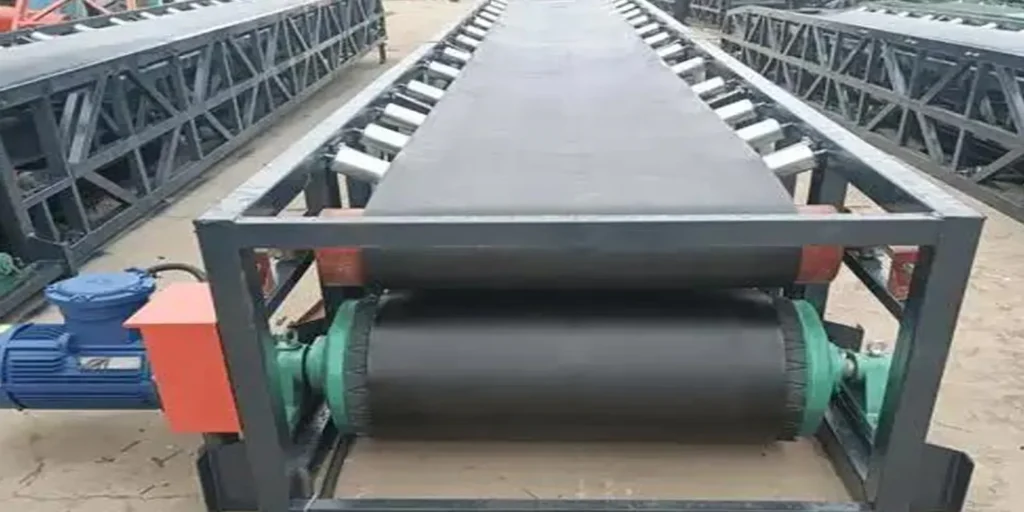
Idlers, Rollers and Bearings
Carrying and return idlers support the belt along its route. Check roller rotation, bearing condition, alignment, shell wear and material buildup. Seized or damaged rollers can contribute to belt wear and tracking problems.
Replacement components should match the conveyor drawing and service conditions. Confirm dimensions, load, speed, shaft arrangement, sealing and environmental exposure rather than selecting by appearance alone.
Pulleys and Drive Components
Drive, tail, bend and snub pulleys have different functions in belt movement and routing. Diameter, face width, alignment, lagging and bearing condition should be checked against the conveyor design and belt requirements.
Motor, gearbox and drive selection requires the conveyor power and operating conditions to be assessed. Changing belt construction or increasing throughput can affect tension, take-up travel, pulley requirements and the drive load.
Loading Support and Belt Cleaning
Loading chutes, skirt arrangements and impact supports should direct material onto the belt while controlling impact and spillage. Cleaning equipment should suit the belt surface, splice and conveyed material. Incorrect pressure or damaged components can accelerate cover wear.
Selecting the Replacement Belt
For bulk handling, compare EP and NN fabric belts and steel cord belts against the conveyor design. Specify width, total strength, cover thickness, reinforcement, edge type and joint requirements. Confirm abrasion, heat, oil, chemical or flame-retardant properties separately.
Food-contact, hygienic or electrical-safety suitability must be supported for the specific component and intended application. A rubber coating, plastic material or light color alone does not establish compliance.
Information to Include in an Enquiry
- Component name, drawing or part number, dimensions and photographs of the existing installation.
- Material, throughput, belt speed, loading conditions and operating environment.
- Existing belt marking and the location or pattern of damage.
- Quantity, required documentation and destination port.
Inspection and Service
Have qualified personnel investigate the cause before replacing parts. Stop and isolate the conveyor before inspection, cleaning or adjustment, following site procedures. Do not reach into moving machinery.
For conveyor belt requirements, contact EVER JOY with your specification and operating details. Any associated component supply should be confirmed in the quotation.
 English
 Spanish