
EVER JOY / INDUSTRIAL CONVEYOR BELTING
General Flame Retardant Conveyor Belt
Rubber-covered EP/NN multi-ply construction | Above-ground industrial service
Ports and stockyards — Coal, ores and other bulk solids
Steel and mineral processing — Raw materials, concentrates, coke feed
1. Product overview and construction benefits
For above-ground bulk conveying systems with defined flame-retardance and electrical conductivity requirements. Specify the rubber covers and textile carcass against the conveyed material, equipment layout and safety category, while retaining appropriate tensile strength, abrasion performance, troughability and splice compatibility.
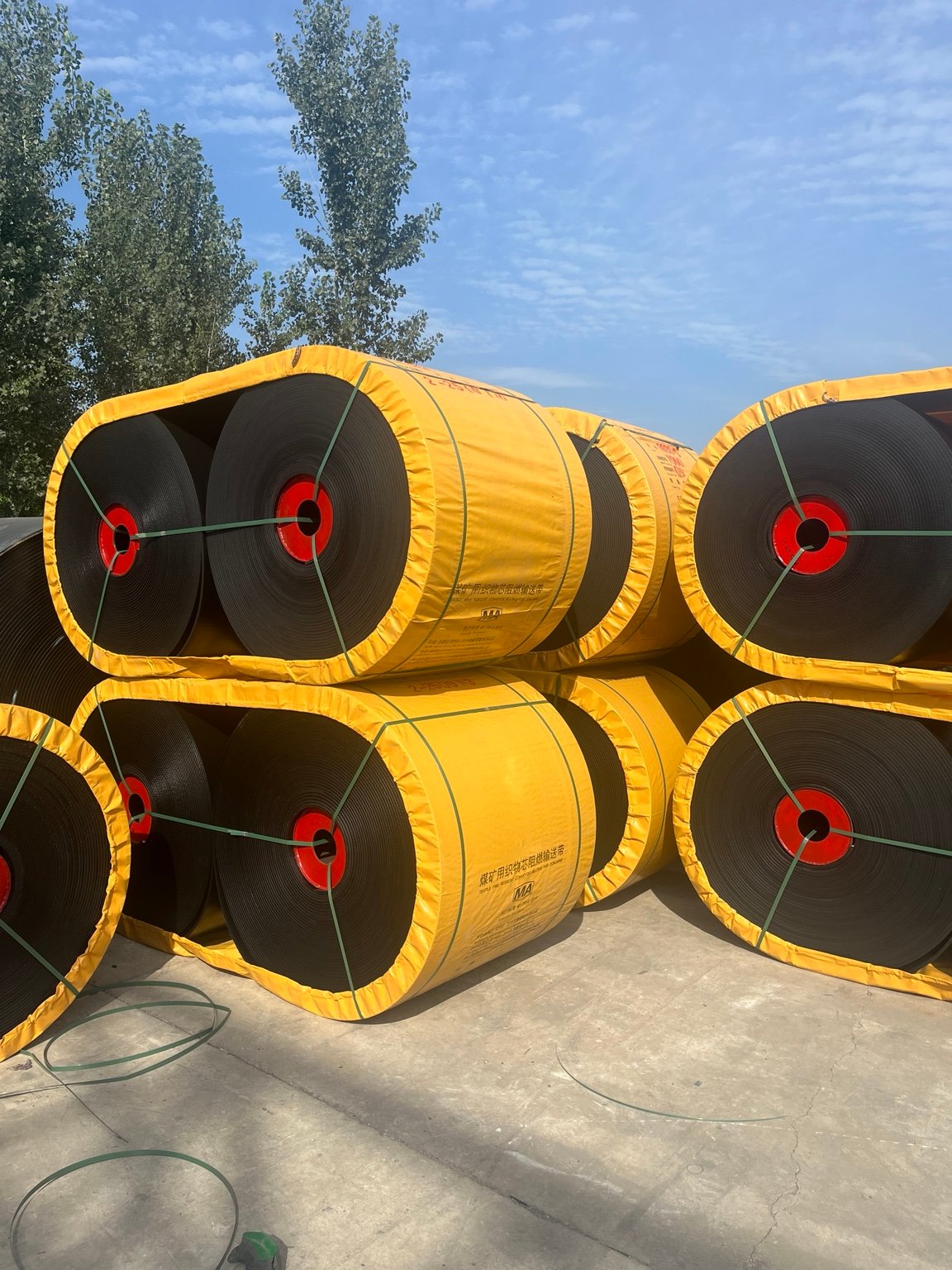
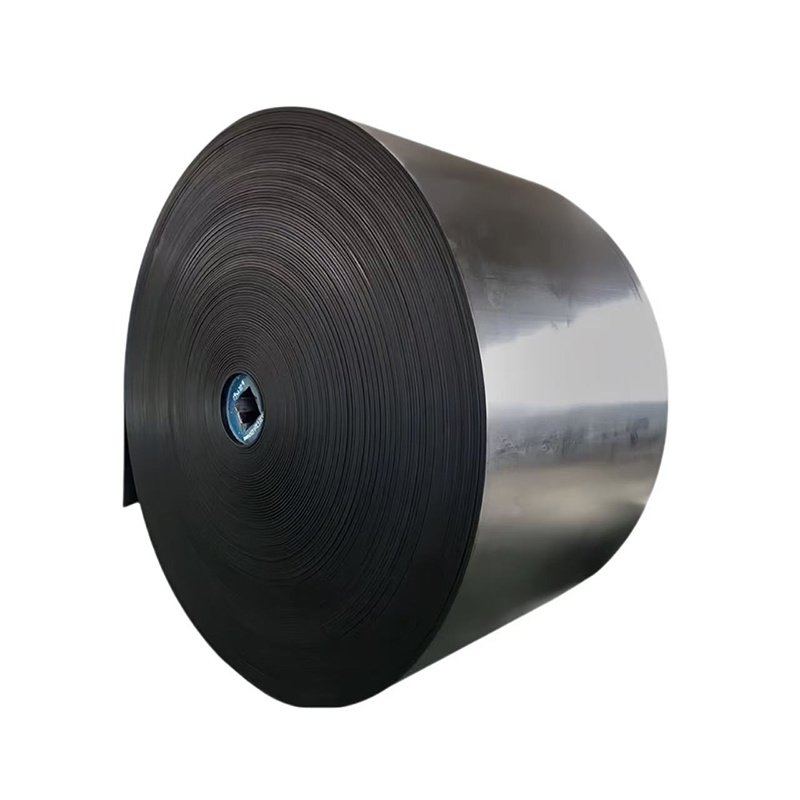
EVER JOY general flame-retardant belting combines EP (polyester/nylon) or NN (nylon) textile reinforcement, rubber covers and bonding rubber. Typical applications include surface coal handling, power plants, ports, steelworks and industrial bulk transport. Flame retardance is evaluated under defined ignition tests; it does not mean that the belt is non-combustible or a substitute for conveyor fire prevention design.
- Rubber-covered multi-ply EP/NN construction matched to rated strength and pulley duty.
- Safety requirements can be specified with K1, K2 or K3 test criteria under GB/T 10822-2014.
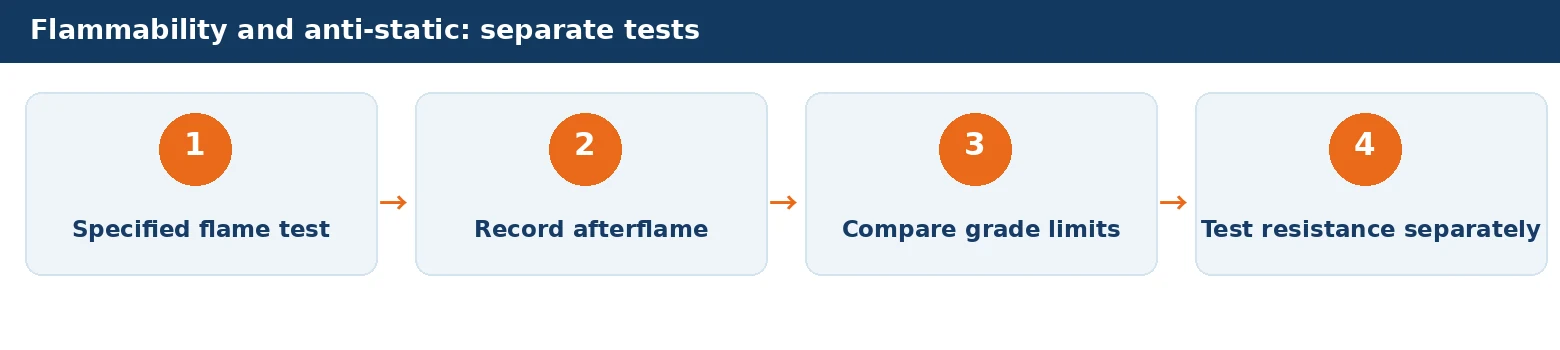
- Flammability and electrical conductivity are evaluated as separate properties.
- Width, top/bottom covers, carcass and roll lengths can be specified for the conveyor.
- Inspection and acceptance documents can be agreed with the procurement specification.
2. Applications and limitations
| Industry / location | Typical materials | Selection focus |
|---|---|---|
| Surface coal handling and power plants | Coal, coal fines, coke and mixed bulk solids | Identify dust and electrical/static risk |
| Ports and stockyards | Coal, ores and other bulk solids | Check weather, speed and pulley layout |
| Steel and mineral processing | Raw materials, concentrates, coke feed | Check separate heat and abrasion demands |
| Chemical plants and factories | Granules, powders and packaged goods | Specify fire and anti-static requirements |
GB/T 10822-2014 applies to general-purpose, rubber-covered textile conveyor belts for above-ground industrial service. Compliance with this standard does not constitute approval for underground coal-mine use. PVC/PVG solid woven belts are a different construction requiring separate assessment under applicable mining rules and product approvals.
3. Multi-ply construction and material functions
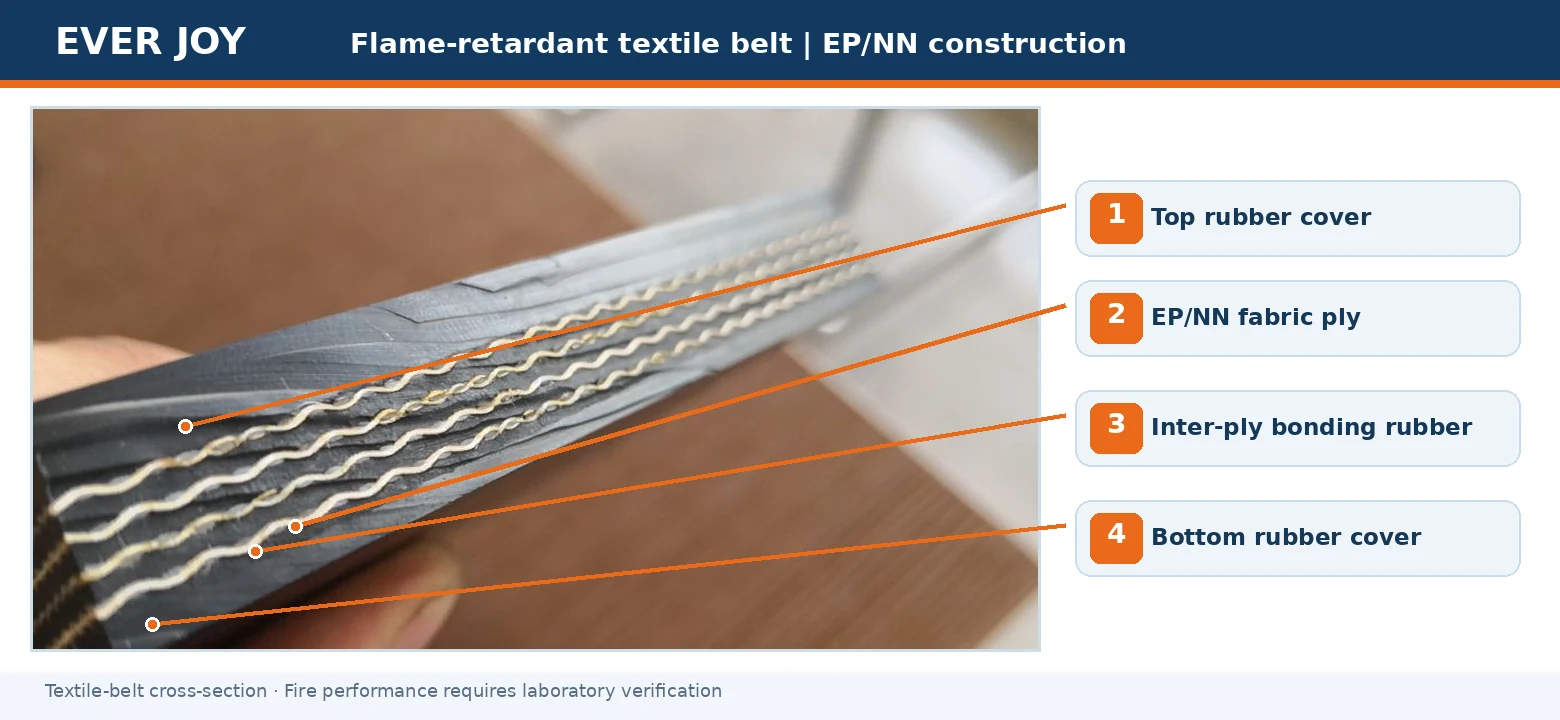
The top rubber cover contacts the load and is selected for its required fire behaviour and mechanical duty. The EP/NN fabric carcass carries the longitudinal tension; black bonding rubber binds the plies and covers; the bottom cover protects the reinforcement and contacts rollers and pulleys. The illustrated section explains the physical layers, not a tested fire rating.
A fabric-reinforced rubber belt cross-section for structural illustration, not a flame-rating certificate.
4. K1 / K2 / K3 laboratory flame safety criteria
The following compares key criteria used in GB/T 10822-2014. Each grade has a different sample configuration; the afterflame values must not be compared without the test conditions. These are standard acceptance criteria, not batch test results for EVER JOY.
| Grade | Specimens and afterflame limits | Procurement interpretation |
|---|---|---|
| K1 | 3 cover-intact + 3 cover-removed specimens; combined afterflame ≤45 s; each covered specimen ≤15 s and each cover-removed specimen ≤20 s | Tests belt specimens with covers intact and with covers removed, not separate raw cover or carcass materials |
| K2 | 6 cover-intact specimens; combined afterflame ≤45 s; no individual result >15 s | Common above-ground flame-retardant requirement |
| K3 | 3 cover-intact specimens; mean afterflame ≤60 s | Different sample set; not directly comparable to K1/K2 totals |
5. Rubber cover mechanical grades and belt properties
The H/D/L cover grades below provide a mechanical-property comparison used in GB/T 10822-2014-based specifications. Cover grade and flame safety grade are separate choices and must both appear in the technical specification.
| Cover grade | Tensile strength (MPa) ≥ | Elongation at break (%) ≥ | Abrasion loss (mm³) ≤ |
|---|---|---|---|
| H | 24 | 450 | 120 |
| D | 18 | 400 | 100 |
| L | 15 | 350 | 200 |
Values are standard comparison criteria for the designated grades, not verified results for all EVER JOY products. Actual order acceptance is based on the specified grade and corresponding reports.
6. Carcass, dimensions and order specification
Specify finished-belt nominal strength in N/mm. For example, EP400/4 means a 400 N/mm finished belt with four fabric plies; this must not be confused with the strength designation of each individual fabric ply.
| Parameter | Quotation example / input | What to specify |
|---|---|---|
| Carcass and strength | EP/NN; e.g., EP400/4 or EP630/4 | Finished-belt rating in N/mm and number of plies |
| Width and length | e.g., 650 / 800 / 1000 / 1200 mm width | Factory maximum production width approx. 2200 mm |
| Rubber covers | e.g., 4+2, 5+2 or 6+3 mm | Top/bottom thickness and H/D/L grade |
| Fire and anti-static safety | K1, K2 or K3; resistance limit | State exact standard and sampling method |
| Conveyor duty | Speed, incline, pulley diameters, trough angle | Bulk material, lump size and impact |
| Delivery | Quantity, roll lengths, core and destination | Open-ended/endless, splice and roll-weight constraints |
Dimensions and model codes are quotation examples, not a stock or certification listing. Confirm the production and testing scope for the exact construction.
7. How to specify flame-retardant belting
01 Identify the location: above ground, open stockyard, enclosed plant or underground; supply the site safety rules.
02 Specify the safety grade: K classification or the relevant EN 12882 category, including the required test methods.
03 Select carcass and covers: nominal strength, EP/NN plies, rubber thickness, cover mechanical grade and width.
04 Define documentation: flame aftertime, electrical resistance, adhesion, tensile strength and batch inspection scope.
05 Check system and shipment: pulley diameters, splice method, belt speed, roll dimensions and destination.
8. Chinese, ISO and European standards
| Standard / edition | Role and applicability |
|---|---|
| GB/T 10822-2014 | Product standard for general-purpose rubber-covered textile belts; not an underground mining approval |
| GB/T 39795-2021 | Chinese general-purpose conveyor belt safety requirements for electrical and flammability behaviour |
| GB/T 3684-2021 | Chinese belt electrical conductivity specification and test method |
| ISO 340:2022 | Small-scale laboratory flammability requirements and test method |
| ISO 284:2025 | Electrical conductivity specification and test method, assessed separately from flame testing |
| EN 12882:2015 / DIN EN 12882:2015-11 | European above-ground general-purpose belt electrical and flammability safety categories |
| ISO 14890:2026 | General textile carcass and cover construction reference; not proof of flame resistance |
| ISO 252:2023 / ISO 283:2023 | Adhesion and full-thickness tensile test methods for textile conveyor belts |
Russian, Central Asian and other markets may require additional GOST provisions, approvals or tender-specific tests. Citing a standard in a quotation is not a certification for an untested model.
9. Inspection and technical documentation
| Inspection | Technical record |
|---|---|
| Fire behaviour | Sample preparation, ignition, afterflame, reignition and required grade |
| Electrical conductivity | Resistance result, test method, environmental conditioning and identification |
| Mechanical characteristics | Rubber tensile, elongation, abrasion, belt tensile strength and adhesion |
| Dimensions and appearance | Width, length, thickness, cover dimensions, tracking and visual condition |
| Delivery records | Model and batch marking, packaging, roll weight and agreed reports |
For tenders or higher-risk sites, specify the exact third-party inspection, sample quantity, approval records and factory batch tests in the contract.
10. Frequently asked questions
01 Can K1, K2 and K3 be substituted?
Not on the grade name alone. The number and type of test specimens and afterflame criteria differ. Supply the project-required class.
02 Does “flame retardant” mean fireproof?
No. It describes behaviour under defined tests and cannot replace fire detection, protection or safe installation design.
03 Is anti-static behaviour automatic with a flame-retardant cover?
No. Electrical resistance and flame behaviour must be specified and measured independently.
04 Does ISO 340 prove approval for underground coal mines?
No. Underground use requires the applicable local requirements and approval for the exact belt construction.
05 What is the difference from PVC/PVG solid woven belts?
This is a rubber-covered EP/NN multi-ply construction; PVC/PVG uses a different woven core and cover system, with distinct approval and splice considerations.
06 Can the belt also be heat- or oil-resistant?
Multiple functions require formulation and verification against all relevant tests. Describe the actual temperature and chemicals.
07 What information is needed for quotation?
Width, length, finished strength, carcass plies, cover thickness, H/D/L grade, K grade, anti-static limits, quantity and destination.
08 Can inspection documents be supplied?
The scope of batch testing and inspection documents should be specified in the order. Evidence must correspond to the product and production batch.
11. Manufacturing and export support
EVER JOY serves industrial buyers internationally. Our manufacturing factory is in Guzhen County, Bengbu, Anhui, China. The site covers around 140 mu (93,333 m²) with a combined production capacity of approximately 20,000 m of conveyor belt per day. We support specification review, packing, shipping coordination and factory visits by appointment.
Discuss Your Belt Specification & Supply Requirements
Related Products
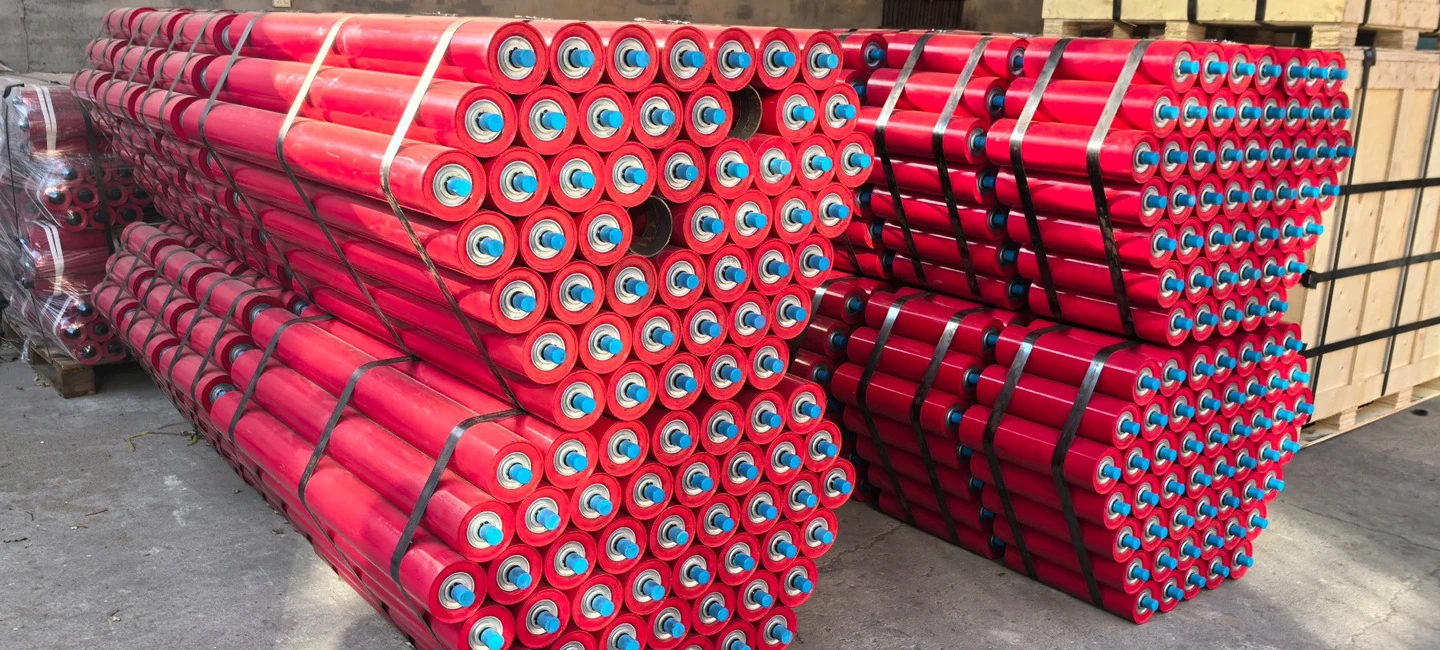 Conveyor Idlers & Idler Sets
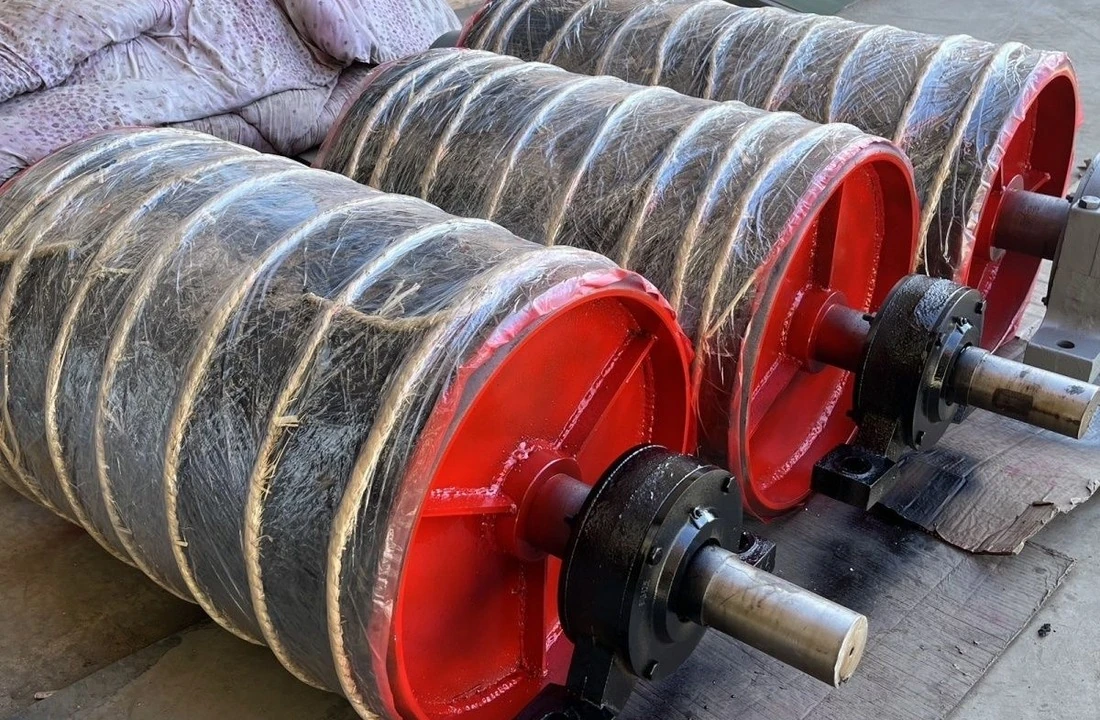 Conveyor Drum Pulleys
Explore other conveyor belts
Explore Our Conveyor Belts
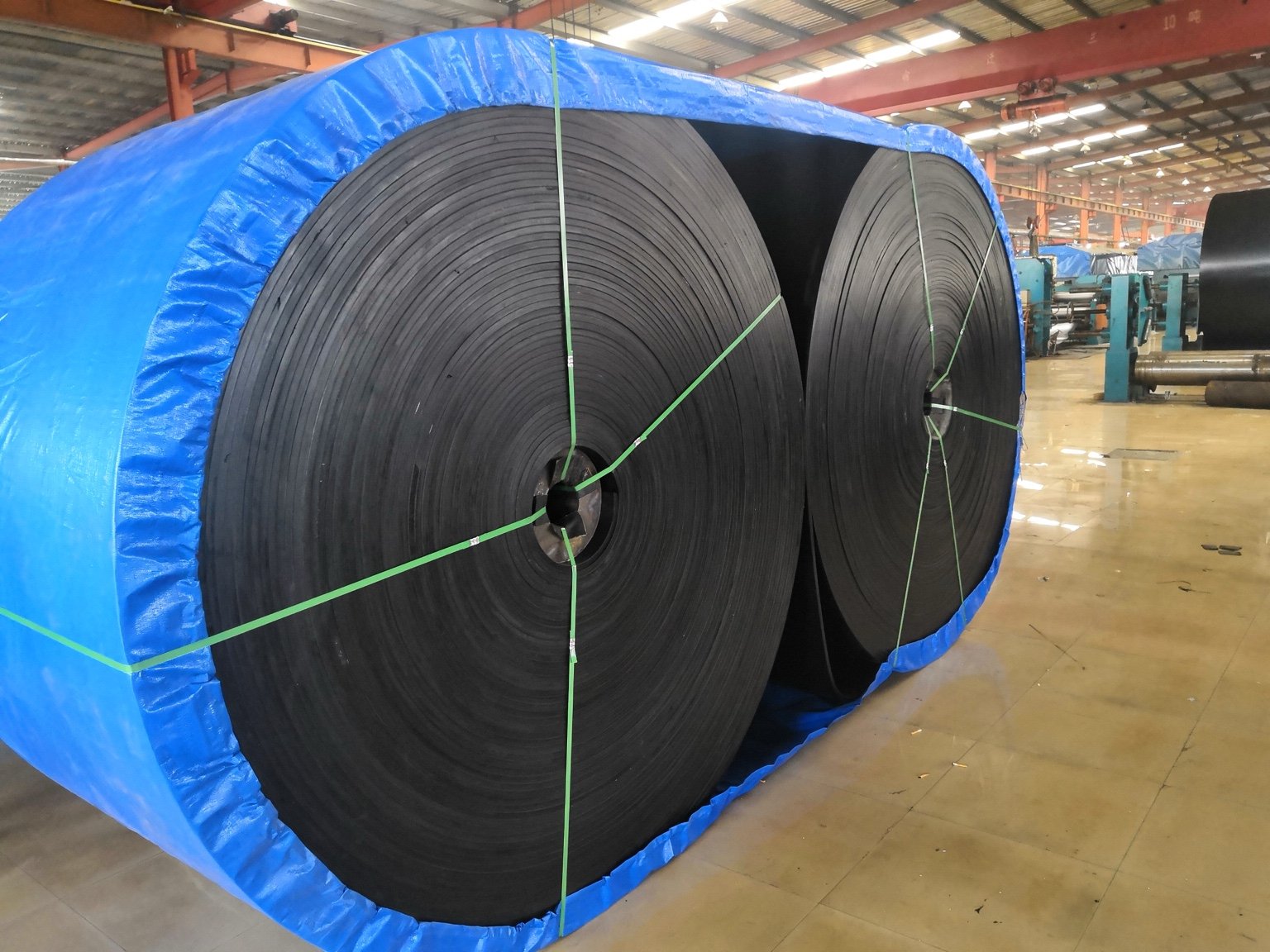
Acid and Alkali Resistant Conveyor Belt
General Flame Retardant Conveyor Belt

Solid Core Flame Retardant Conveyor Belt for Coal Mine
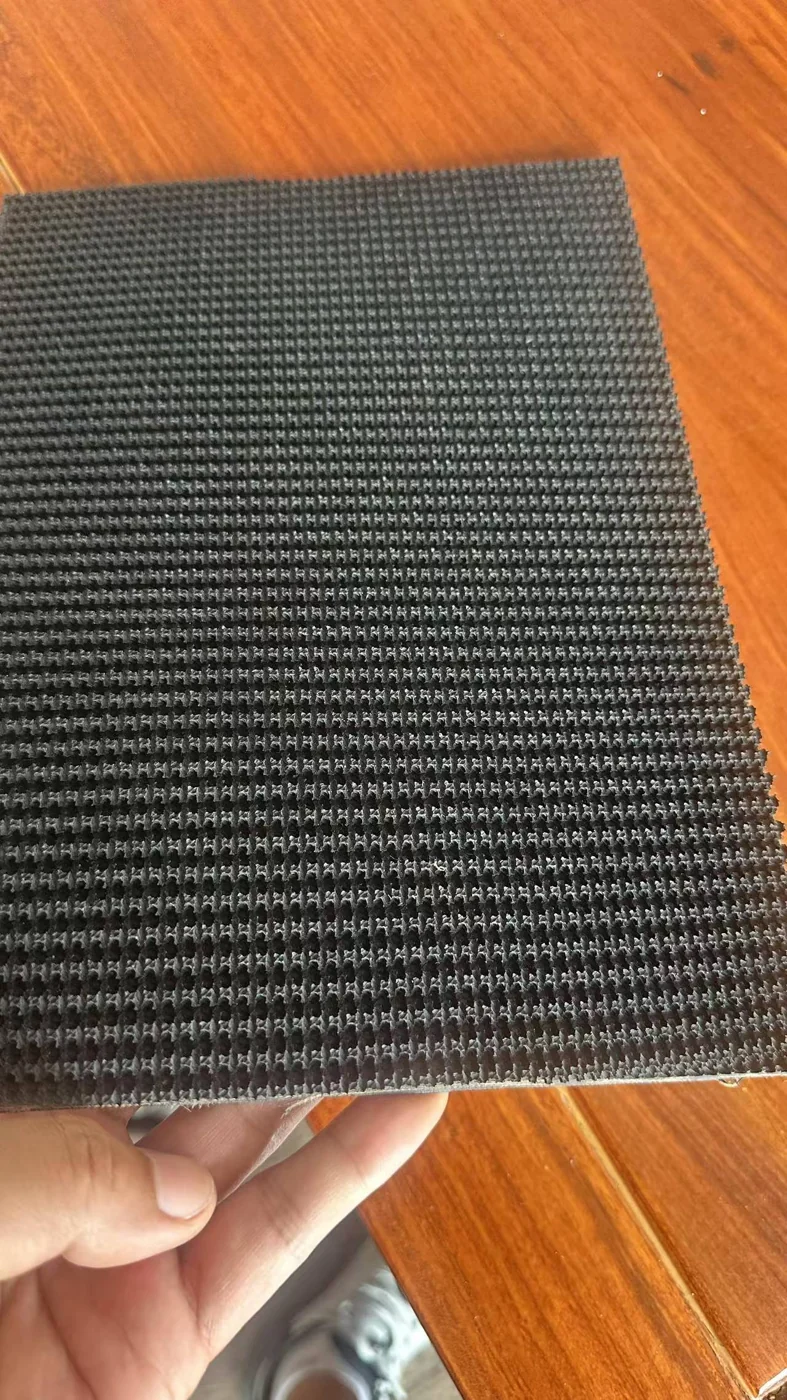
Magic Carpet Grass-pattern Conveyor Belt
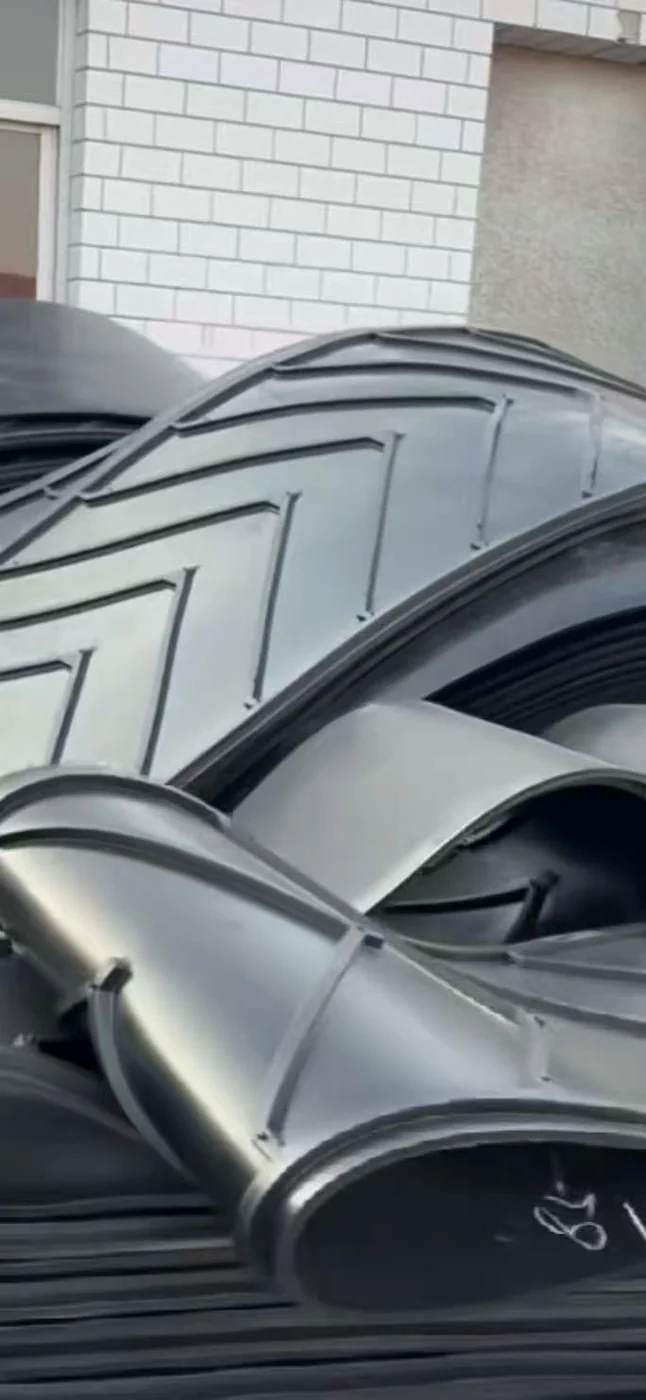
Chevron Conveyor Belt
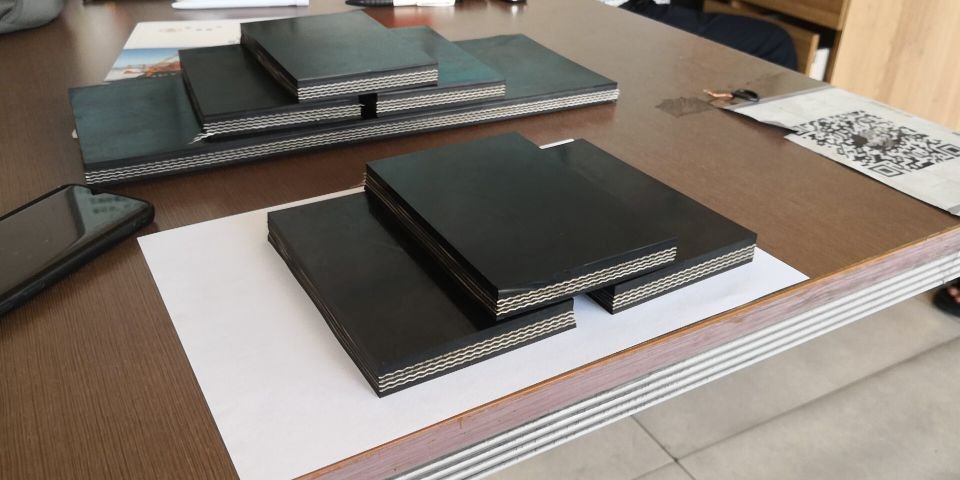
EP & NN Fabric Conveyor Belts
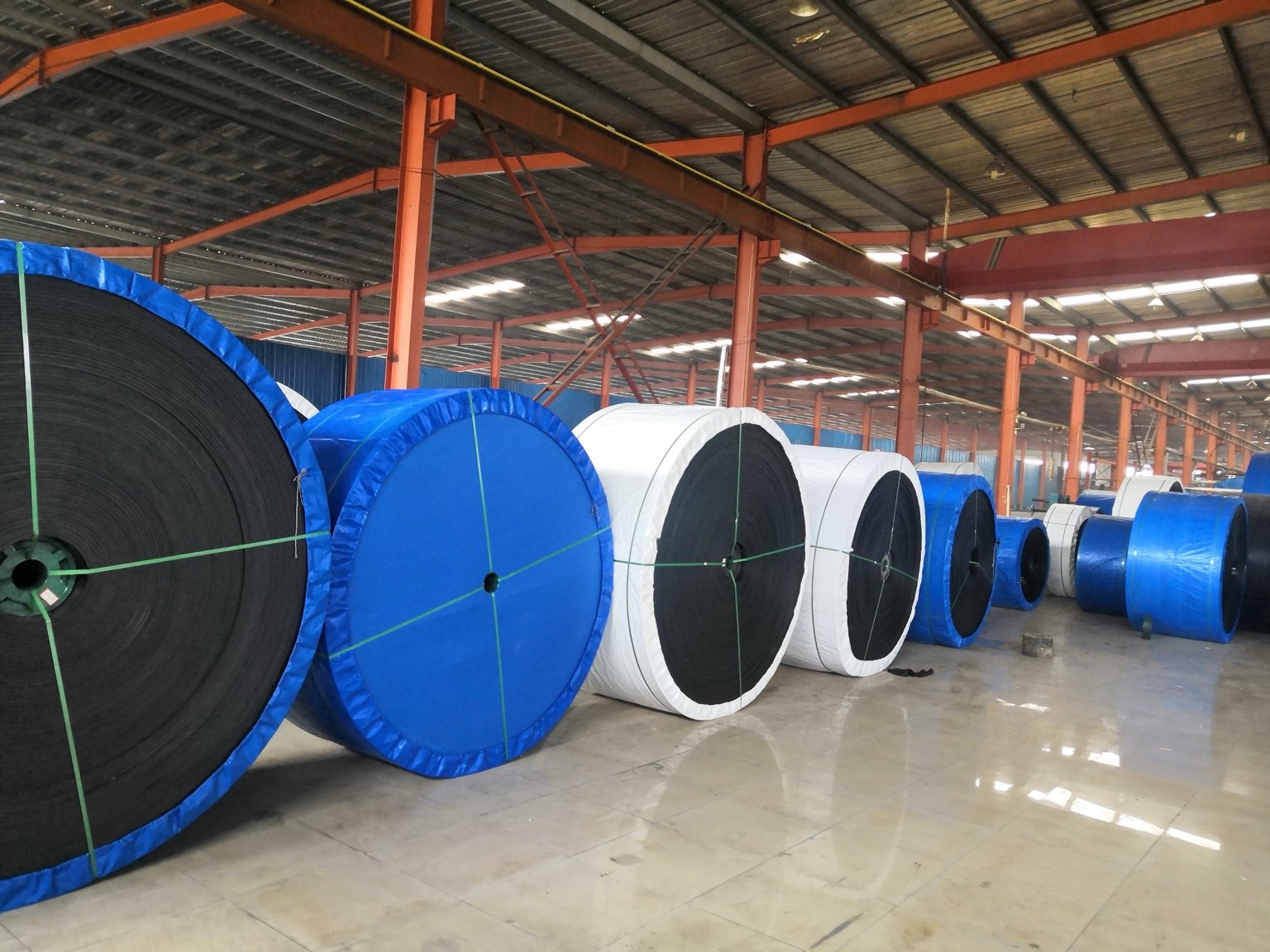
Heat Resistant Conveyor Belt
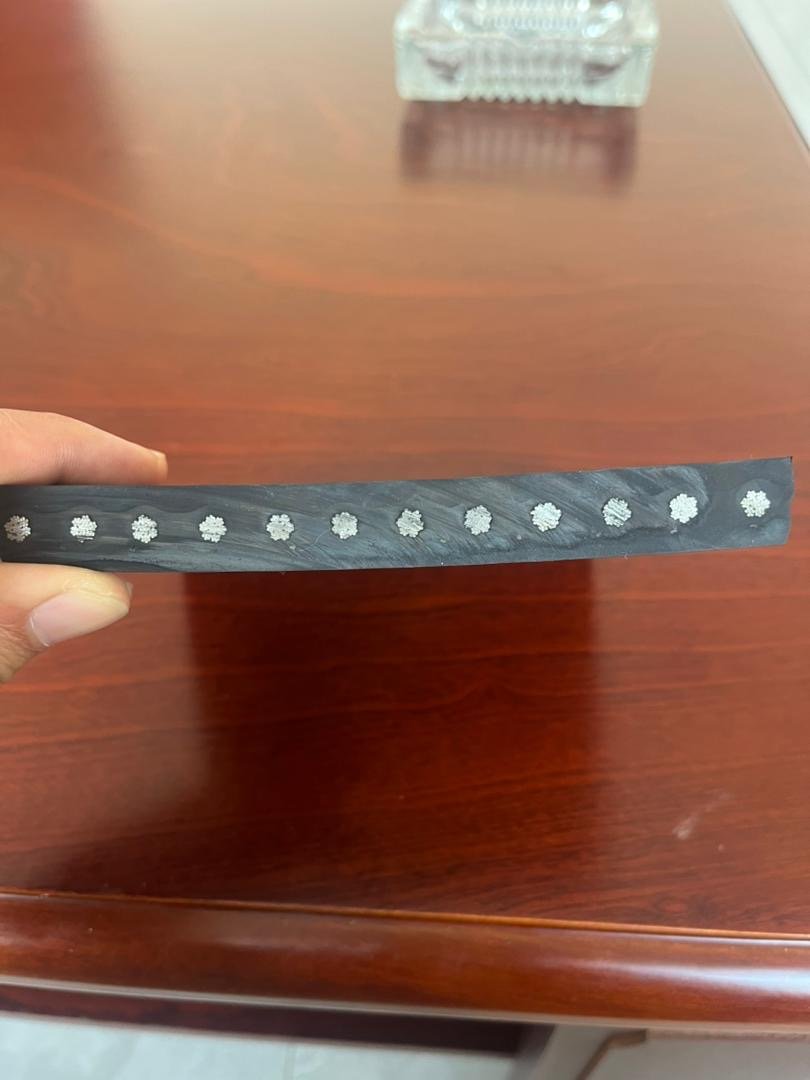
Wire Rope Conveyor Belt

Acid and Alkali Resistant Conveyor Belt

General Flame Retardant Conveyor Belt
Solid Core Flame Retardant Conveyor Belt for Coal Mine

Nylon Conveyor Belt

Heat Resistant Conveyor Belt

Wire Rope Conveyor Belt


 English
 Spanish